Choosing a bathtub takes more than finding a style you like. The tub needs to fit your bathroom, feel comfortable when you’re soaking, and work with your plumbing and renovation budget. Materials, installation requirements, and long-term maintenance can make two similarly priced bathtubs very different purchases.
The best bathtub brands in 2026 include Kohler, American Standard, Jacuzzi, MAAX, and MTI Baths, each serving different needs. For custom bathtubs and coordinated bathroom interiors, Avrelahome is another option worth considering. Below, we compare 10 brands and suppliers by their strengths, limitations, and suitability for different bathroom projects.
Top 10 Best Bathtub Brands and Custom Bathroom Suppliers
Not every bathtub brand serves the same buyer. Some specialize in standard alcove tubs, others focus on hydrotherapy or luxury freestanding designs, and custom suppliers can help with more specialized projects.
This comparison focuses on product selection, customization options, installation requirements, and overall buyer fit. It is not a ranking based on independent hands-on testing.
| Brand | Best For | Bathtub Types or Services | Price Position |
|---|---|---|---|
| Avrelahome | Custom bathroom projects | Custom tubs and coordinated interiors | Custom quote |
| Kohler | Overall selection | Alcove, freestanding, hydrotherapy | Mid to premium |
| American Standard | Everyday remodeling | Alcove, drop-in, walk-in | Budget to premium |
| Jacuzzi | Hydrotherapy | Soaking and whirlpool | Mid to luxury |
| MAAX | Space-saving designs | Alcove, corner, freestanding | Budget to mid |
| Signature Hardware | Stylish freestanding tubs | Acrylic, cast iron, clawfoot | Mid to premium |
| MTI Baths | Luxury customization | Soaking, air, whirlpool | Premium |
| Duravit | European design | Built-in and freestanding | Premium |
| Victoria + Albert | Luxury freestanding baths | QUARRYCAST composite tubs | Luxury |
| WOODBRIDGE | Value-focused modern tubs | Acrylic, soaking, whirlpool | Budget to mid |
Price positions are relative and vary by product. They are not guaranteed price ranges.
1. Avrelahome: Best for Custom Bathtubs and Bathroom Projects
Avrelahome is a Foshan-based custom home interiors supplier serving homeowners, designers, and residential projects overseas. Its services include custom bathtubs, bathroom cabinetry, kitchen cabinets, wardrobes, and other made-to-measure furnishings.
What sets Avrelahome apart is its whole-home customization approach. Instead of selecting a bathtub independently and designing the surrounding cabinetry afterward, buyers can plan the tub, vanity, storage, and finishes together. This is particularly useful for new construction, where plumbing and room layouts can still be adjusted before installation.
Avrelahome also offers custom bathroom vanities with single-sink, double-sink, floating, and freestanding configurations. Coordinating these cabinets with a custom bathtub can help homeowners manage clearances, storage, and the overall bathroom design. Bathtub dimensions, materials, and available features are confirmed for each project.
Pros: Supports custom bathtub projects and coordinated bathroom furniture design. Suitable for multi-room renovations and whole-home customization.
Cons: Custom specifications, pricing, and lead times require project-specific confirmation. U.S. buyers must also plan for international freight and local installation.
Best For: Custom homes, luxury bathrooms, villas, interior designers, and homeowners who want a bathtub designed around a larger renovation project.
2. Kohler: Best Overall Bathtub Brand
Kohler offers one of the broadest bathtub selections for American homeowners. Its lineup includes alcove, drop-in, freestanding, and hydrotherapy tubs in materials such as acrylic and enameled cast iron.
The Bellwether collection works well for traditional alcove installations, while more design-focused collections suit homeowners creating a distinctive primary bathroom. Having several bathtub types within one brand makes it easier to compare styles, materials, and features.
Pros: Extensive product selection, multiple materials, and options for both standard remodeling and premium bathroom designs.
Cons: Premium collections can be expensive. Heavy cast iron models may require additional handling and structural consideration.
Best For: Homeowners seeking an established bathroom brand with options across several styles and budgets.
3. American Standard: Best for Everyday Bathroom Remodeling
American Standard is a familiar choice for U.S. bathroom renovations, offering alcove, drop-in, freestanding, and walk-in bathtubs.
Its alcove models are particularly relevant when replacing an older tub installed between three walls. Choosing the same size and drain orientation can reduce the need for plumbing changes. The brand also offers walk-in models for buyers who need a lower entry threshold.
Pros: Practical installation types, familiar standard sizes, and choices for conventional bathroom renovations.
Cons: Catalog-based products offer less flexibility than fully custom designs. Walk-in models can involve higher costs and additional installation requirements.
Best For: Homeowners replacing an existing bathtub or renovating a conventional family bathroom.
4. Jacuzzi: Best for Whirlpool and Hydrotherapy Bathtubs
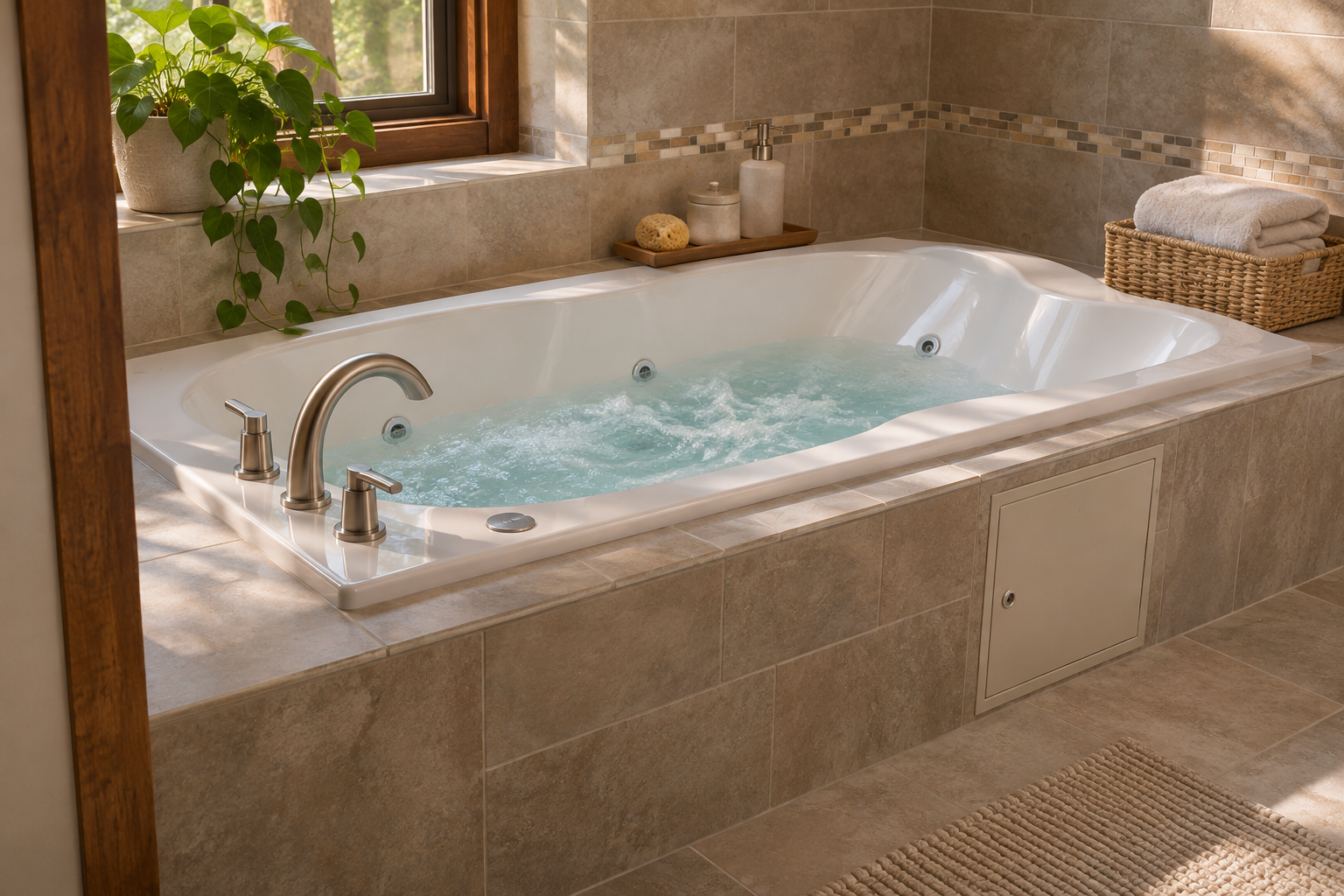
Jacuzzi is best known for hydrotherapy, making it worth considering if a relaxing massage experience is your main priority. Its bathtub range includes soaking and whirlpool configurations.
Selected models combine contemporary designs with targeted water massage. Unlike a basic soaking tub, a whirlpool bathtub uses a pump and jets to circulate water, creating a more active bathing experience. That added functionality also requires more attention to cleaning and maintenance.
Pros: Specialized hydrotherapy features and several bathing experiences across its product range.
Cons: Jet systems require regular cleaning and maintenance. Some models need dedicated electrical connections and service access.
Best For: Homeowners who specifically want a whirlpool bathtub rather than a standard soaking tub.
5. MAAX: Best for Alcove and Space-Saving Bathtubs
MAAX is a Canadian bathroom brand with alcove, corner, drop-in, and freestanding bathtub options. Its practical dimensions make it worth exploring for smaller bathrooms and conventional renovations.
The Jaxi 6030, for example, measures 60 by 30 inches and offers left-hand or right-hand drain configurations. That choice matters when replacing a tub without relocating existing plumbing.
Pros: Practical sizes, multiple installation configurations, and options suited to compact bathrooms.
Cons: Standard product dimensions limit flexibility for unusual layouts or fully bespoke installations.
Best For: Small bathrooms, family bath upgrades, and homeowners who want to minimize changes to existing plumbing.
6. Signature Hardware: Best for Stylish Freestanding Bathtubs
Signature Hardware offers a wide range of freestanding bathtubs, including contemporary soaking tubs, vintage clawfoot designs, and models made from acrylic, cast iron, and other materials.
Its appeal lies in design variety. A minimalist oval tub can anchor a modern primary bathroom, while a clawfoot model suits a traditional home with more decorative fixtures. The brand is particularly useful when the bathtub is meant to be a prominent design feature.
Pros: Broad freestanding and clawfoot selection, with options for modern and classic interiors.
Cons: Some models are heavy or require substantial floor space. Specialty styles may need specific faucets and drain arrangements.
Best For: Homeowners and designers who want a distinctive bathtub as the focal point of the bathroom.
7. MTI Baths: Best for Customizable Luxury Bathtubs
MTI Baths focuses on premium bathing products, including soaking tubs, air baths, whirlpool tubs, and handcrafted models. Its SculptureStone collection uses a proprietary engineered material and includes made-to-order products.
MTI is especially appealing to buyers who want more than a standard white bathtub. Depending on the collection and model, options can include finishes, colors, and bathing systems. The exact level of customization should always be confirmed before ordering.
Pros: Made-to-order products, premium materials, and a range of soaking and hydrotherapy configurations.
Cons: Specialty options can raise costs and increase lead times. Custom orders may carry stricter cancellation or return conditions.
Best For: Luxury residential projects and buyers seeking personalized bathtub finishes or bathing features.
8. Duravit: Best for Modern European Bathtub Design
Duravit is a German bathroom manufacturer known for contemporary designs and coordinated bathroom collections. Its bathtub range includes freestanding, built-in, and alcove models.
The brand is a good fit when you want the bathtub, washbasin, and bathroom furniture to share a consistent design style. Its product ranges feature clean lines and modern materials, though availability varies by collection and market.
Pros: Distinctive European styling, coordinated bathroom collections, and multiple installation options.
Cons: Premium products can be expensive, and some models may require special ordering or additional planning for compatible fixtures.
Best For: Design-focused homeowners creating a contemporary primary bathroom.
9. Victoria + Albert: Best for Luxury Freestanding Bathtubs
Victoria + Albert is a British luxury bathroom brand recognized for freestanding baths made from its QUARRYCAST composite, which combines volcanic limestone with resin.
Its Amiata collection offers a contemporary silhouette, while the Cheshire collection reflects a more traditional aesthetic. Selected products also offer exterior color customization, giving designers more control over the final bathroom palette.
Pros: Distinctive composite material, elegant freestanding designs, and selected finish customization options.
Cons: Premium pricing and substantial product dimensions may make these baths less practical for smaller or budget-focused renovations.
Best For: Luxury primary bathrooms and design-led residential projects where the bathtub is a centerpiece.
10. WOODBRIDGE: Best for Value-Focused Modern Bathtubs
WOODBRIDGE offers a selection of contemporary bathtubs for the U.S. market, including acrylic soaking tubs, freestanding models, and whirlpool configurations.
The brand is worth comparing when you want a modern design without automatically moving into the luxury price category. Some models include combinations of water jets, air bubbles, and heating features, although specifications vary considerably.
Pros: Multiple modern styles and sizes, with relatively accessible options for soaking and whirlpool tubs.
Cons: Features differ widely by model. More complex jetted systems require additional installation planning and maintenance.
Best For: Budget-conscious homeowners who want contemporary styling or hydrotherapy features at a competitive price.
Custom vs. Standard Bathtubs: Which Is Better?
A standard bathtub is usually the practical choice when your bathroom fits common dimensions and you want a predictable installation. A custom bathtub becomes more appealing when the room layout, bathing preferences, or design requirements cannot be addressed by readily available models.
The important distinction is how much customization a supplier actually supports. Some brands offer selected finishes and optional jets, while others can develop a project-specific solution.
Benefits of Custom Bathtubs
Custom bathtubs give homeowners more control over the finished bathroom. Depending on the supplier’s capabilities, customization may involve dimensions, shape, materials, finish, or bathing features.
That flexibility matters most in unusual spaces. A homeowner building a large primary suite might want a particular tub profile that works with a window, a walk-in shower, and a double vanity. The bathtub can become part of the room’s overall layout rather than an item selected at the end.
Still, a custom bathtub is not automatically more comfortable. Interior bathing length, backrest angle, water depth, and ease of entry deserve just as much attention as exterior styling.
When Should You Choose a Custom Bathtub?
Custom tubs are most worthwhile in new construction, luxury renovations, and projects with unusual space requirements.
They can also be useful when a homeowner wants coordinated materials and finishes across several bathroom fixtures. In these cases, planning the bathtub before finalizing cabinetry and plumbing can prevent expensive changes later.
For an ordinary 60-inch alcove replacement, however, a standard bathtub with matching dimensions and drain placement will often be simpler and more economical.
How Much Does a Custom Bathtub Cost?
There is no universal price for a fully custom bathtub. Costs vary according to the material, size, design complexity, bathing system, and installation requirements.
For context, U.S. bathtub replacement projects commonly cost between $1,500 and $8,000 installed, although specialty installations can cost significantly more.
| Bathtub Type | Typical U.S. Installed Cost |
|---|---|
| Standard alcove | $1,500 to $2,000 |
| Freestanding | $2,200 to $5,000 |
| Whirlpool or jetted | $3,000 to $8,000 |
| Luxury stone or copper | $4,000 to $13,000 |
Source: HomeGuide’s U.S. bathtub replacement cost estimates. These are general installed-cost ranges, not fixed custom bathtub quotes. Actual costs vary by location, model, materials, and construction work.
For custom orders, request an itemized quote. Confirm whether it includes the bathtub, drain assembly, faucets, freight, installation, and any required plumbing or structural changes. U.S. buyers sourcing from overseas should also account for import duties and local receiving costs.
How to Choose the Best Bathtub Brand
The best brand for your bathroom depends on how you plan to use the tub, what your space can accommodate, and how much work installation will require. Rather than comparing brand names alone, start with the bathtub type and material before evaluating the total cost and warranty.
Choose the Right Bathtub Type
Each bathtub design serves a different purpose.
| Type | Main Advantage | Best Use |
|---|---|---|
| Freestanding | Strong visual appeal | Spacious primary bathrooms |
| Alcove | Efficient use of space | Standard family bathrooms |
| Drop-in | Integrates with a surround | Planned bathroom renovations |
| Whirlpool | Water-jet massage | Hydrotherapy-focused bathrooms |
| Walk-in | Lower entry threshold | Buyers with specific accessibility needs |
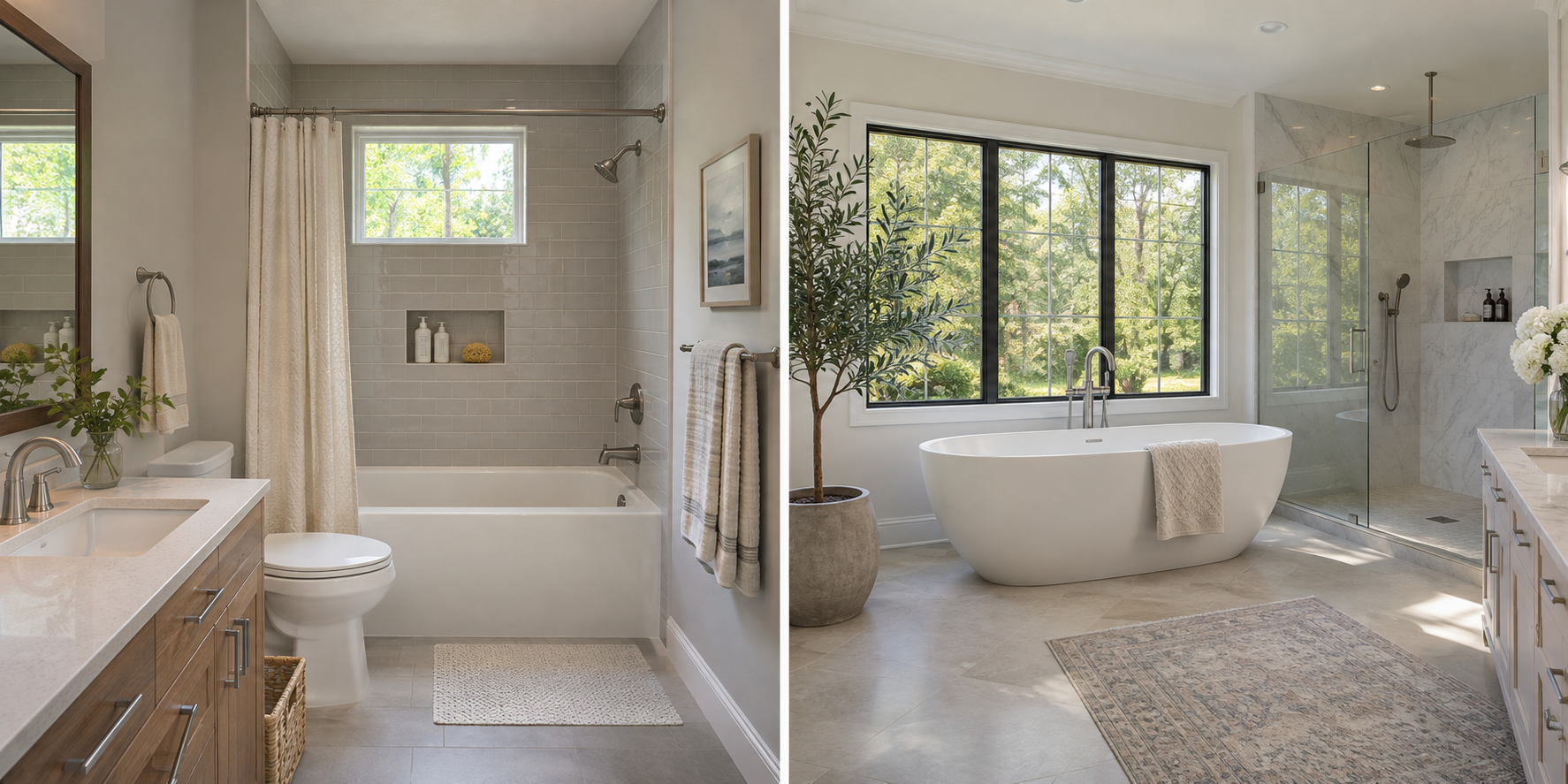
A freestanding tub can look impressive, but it may be less practical in a bathroom without a separate shower. An alcove tub often makes better use of limited floor space and can work as a tub-shower combination.
For walk-in tubs, compare entry height, seating, grab-bar placement, and drainage time rather than assuming every model offers the same accessibility features.
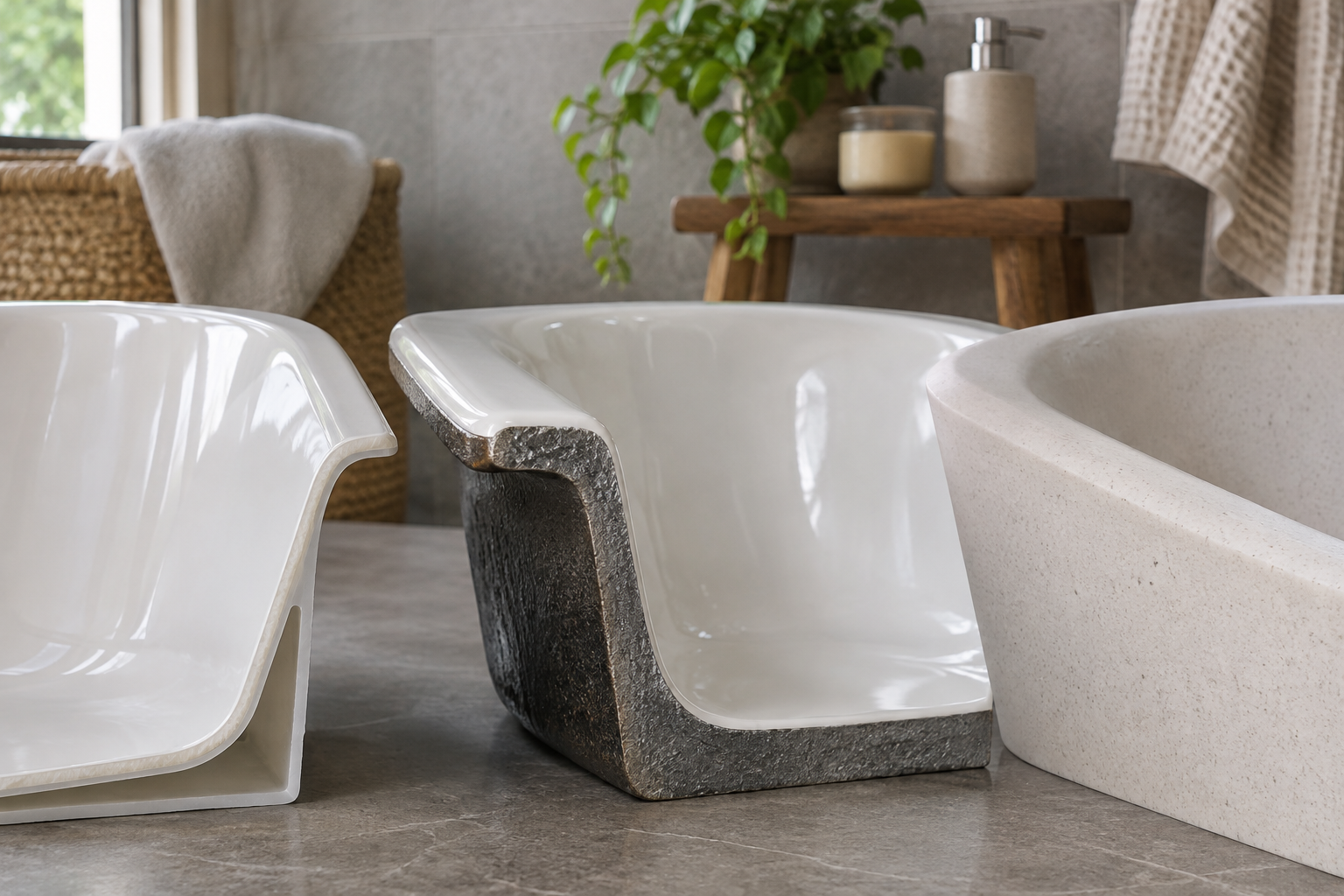
Compare Bathtub Materials and Durability
Material affects the weight, maintenance, appearance, and installation requirements of a bathtub.
Acrylic is relatively lightweight and available in many designs. It works well for conventional renovations, although abrasive cleaners can damage the surface.
Enameled cast iron offers a substantial feel and durable construction, but its weight can complicate transportation and installation.
Solid surface and stone resin materials suit contemporary designs and can create a more substantial appearance. Their weight, cleaning requirements, and repair options depend on the manufacturer’s specific formulation.
No material is automatically the longest-lasting choice for every household. Proper installation, suitable cleaning products, and the condition of the surface all influence long-term performance.
Consider Bathtub Size and Installation Requirements
Common bathtub lengths in the U.S. include 60, 66, and 72 inches. A 60-inch alcove tub is a familiar choice for standard bathrooms, while longer freestanding designs typically need more space.
Exterior dimensions tell only part of the story. A 66-inch bathtub with thick walls may offer less usable bathing room than another model with a similar footprint. Check the interior length, soaking depth, backrest angle, and water capacity.
Large or heavy tubs also require careful installation planning. Confirm the delivery path, floor capacity, drain location, and whether the plumbing and electrical systems meet the product’s requirements. A qualified contractor should review these conditions before installation.
Compare Price, Warranty, and After-Sales Support
A lower purchase price does not always mean a lower project cost. A tub that requires drain relocation, additional framing, or specialty fixtures may cost more to install than a higher-priced model designed for the existing space.
Warranty coverage also varies by product and component. For a basic soaking tub, check the shell and finish warranty. For whirlpool models, ask about pumps, controls, replacement parts, and local service availability.
Custom orders require extra attention. Confirm the approved specifications, cancellation policy, expected lead time, shipping responsibilities, and process for handling damage before production begins.
How to Customize a Bathtub for Your Bathroom
Successful bathtub customization starts with the room, not the product catalog. Measurements, plumbing positions, accessibility, and surrounding fixtures all affect what can realistically be installed.
For custom homes, making these decisions early helps avoid redesigning cabinetry or moving plumbing after construction has progressed.
Determine Bathtub Size and Bathroom Layout
Start by measuring the available floor area, doorway clearances, and distances to nearby fixtures. Consider how you’ll enter and exit the tub and whether there is enough room to clean around it.
A freestanding bathtub may need space on multiple sides, while a drop-in model requires a properly designed platform and service access where applicable.
For custom dimensions, request a technical drawing showing the exterior footprint, interior bathing area, drain position, and installation requirements. Review it with your contractor before approving the order.
If you’re coordinating several custom products, reviewing a supplier’s design approval and production process can help you understand when measurements, specifications, and delivery responsibilities must be finalized.
Choose Materials, Shapes, and Features
Once the layout is established, select the bathtub material and shape based on comfort, appearance, and maintenance expectations.
An oval soaking tub may suit a contemporary primary bathroom, while a rectangular design can work better in a space with strong architectural lines. Specialty finishes and hydrotherapy systems provide additional options when the supplier supports them.
Do not choose features simply because they are available. Every added jet, control, or heating component can affect cost, installation, and future maintenance. Confirm which specifications are included in the quote and which require additional work.
When coordinating a tub with built-in storage, review the cabinet materials and finish options separately. Bathroom furniture may need different surface treatments from the bathtub itself, even when both share a similar color or design style.
Coordinate Bathtubs With Vanities and Bathroom Furniture
Bathtubs and bathroom cabinetry should be planned together, especially when space is limited or multiple fixtures are being customized.
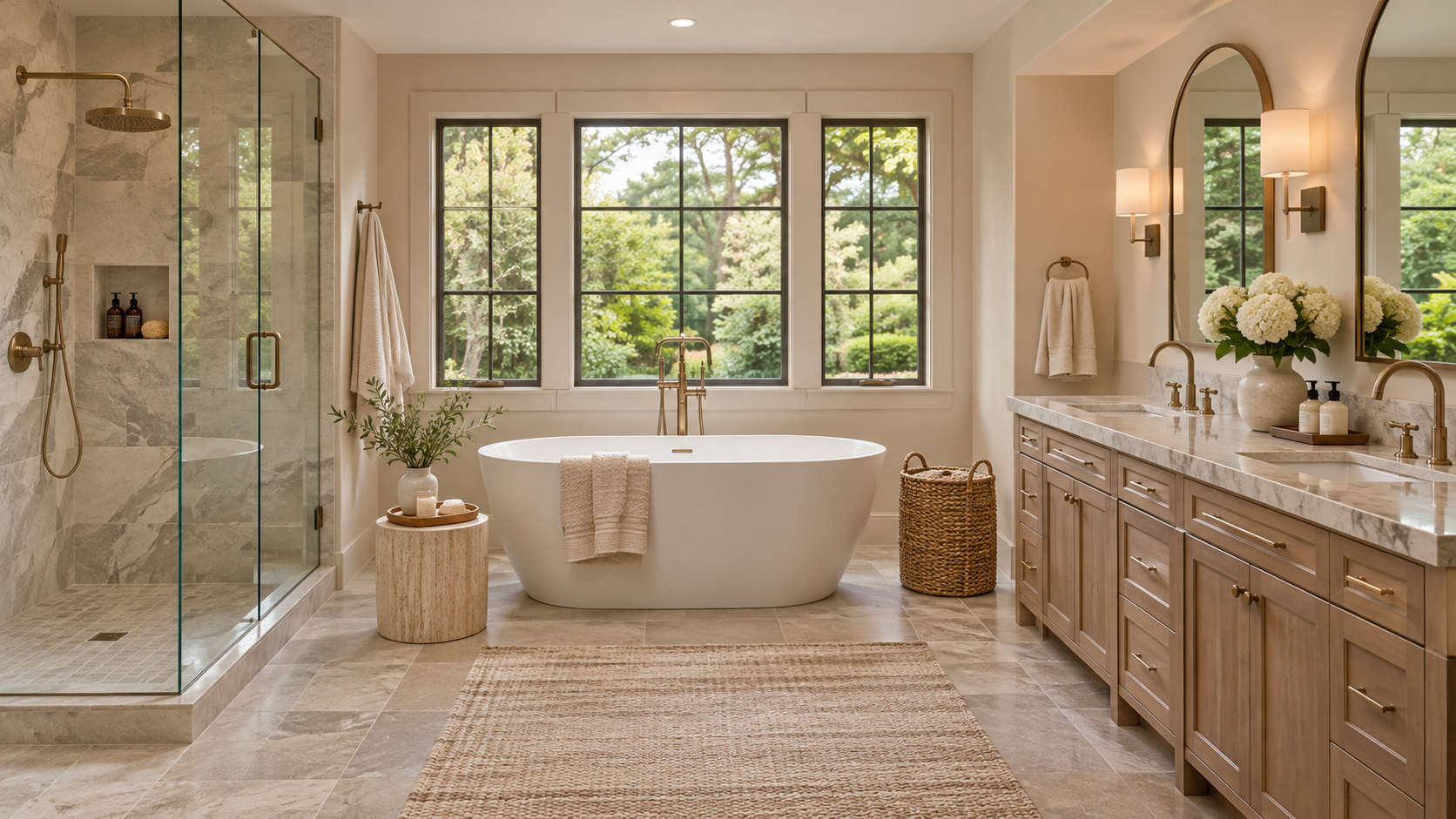
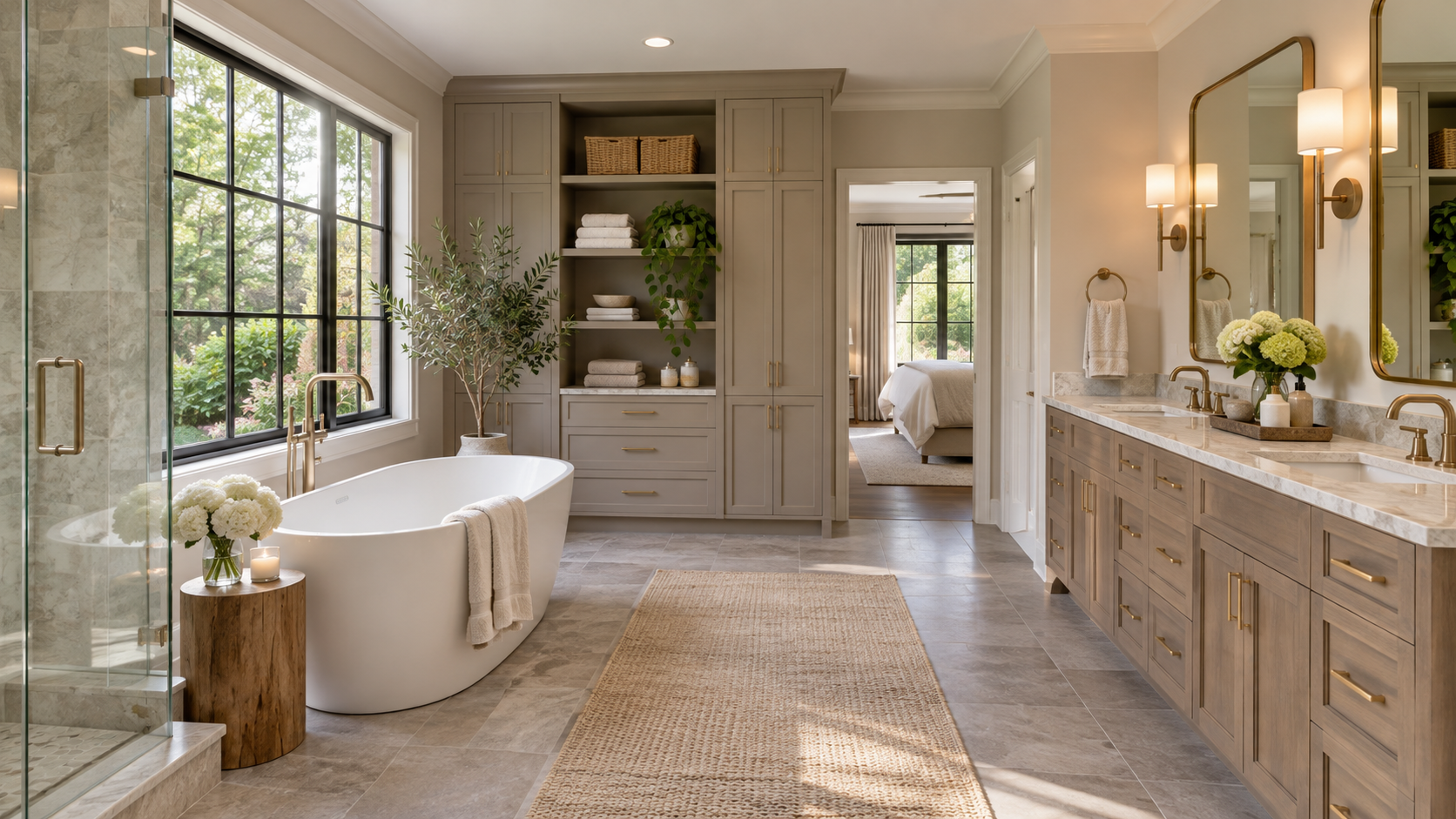
Consider a primary bathroom with a freestanding tub and a double vanity. The bathtub’s footprint affects the walking area, while the vanity depth and drawer clearance influence how comfortably both fixtures can be used. Plumbing locations and countertop dimensions also need to work together.
For homeowners comparing layouts, these bathroom vanity design ideas provide examples of floating, double-sink, built-in, and other storage configurations that can work alongside different bathtub styles.
Avrelahome offers custom bathtub solutions alongside bathroom vanities, storage cabinetry, and other made-to-measure furnishings. This allows buyers to coordinate the bathtub with the room’s dimensions and overall design rather than treating each product as a separate purchase.
Its whole-home services can also help align bathroom finishes with kitchen cabinets, wardrobes, and furniture elsewhere in the property. Before production, confirm the bathtub’s customization options, technical drawings, shipping arrangements, and local installation responsibilities.
If you’re planning a custom bathroom or a larger residential project, you can share your floor plan and customization requirements with Avrelahome for a project-specific review.
Final Thoughts
For straightforward bathroom replacements, Kohler, American Standard, and MAAX are practical brands to compare. Jacuzzi is worth considering when hydrotherapy is the priority, while MTI Baths and Victoria + Albert offer more specialized luxury options.
If your project calls for a custom bathtub and coordinated bathroom interiors, Avrelahome is another option to evaluate. Choose based on actual specifications, total installed cost, and the level of customization your bathroom needs rather than the brand name alone.
FAQ
What Is the Most Reliable Bathtub Brand?
Kohler, American Standard, and MAAX are established options with broad bathtub selections. However, reliability depends on the specific model, material, installation quality, and available warranty support rather than the brand alone.
Are Custom Bathtubs Worth the Extra Cost?
Custom bathtubs can be worth the investment when standard models cannot meet your space, design, or bathing requirements. For a conventional replacement with compatible dimensions, a standard tub will usually be more cost-effective.
Which Bathtub Material Lasts the Longest?
Enameled cast iron is known for its durable construction, but high-quality acrylic and solid surface tubs can also provide years of service. Proper installation, cleaning, and maintenance are important for every material.
What Is the Best Bathtub Brand for Small Bathrooms?
MAAX, American Standard, and Kohler offer alcove bathtubs suitable for many compact bathrooms. Check the available footprint and drain location before comparing individual models.
How Long Does a Bathtub Typically Last?
Bathtub lifespan varies by material, installation, usage, and maintenance. Surface deterioration, structural damage, recurring leaks, and unavailable replacement parts are more useful reasons to consider replacement than age alone.