Choosing a lighting manufacturer involves more than comparing fixture designs and prices. The right lighting needs to match the space, deliver the required illumination, and work with the project’s electrical and installation requirements. A residential lighting plan, for example, has different priorities from a hotel, warehouse, or commercial office.
Some manufacturers focus on large-scale commercial and industrial lighting, while others specialize in architectural fixtures, decorative designs, or custom lighting solutions. This guide compares 10 lighting manufacturers and suppliers based on their product ranges, strengths, limitations, and ideal applications. Whether you’re sourcing lighting for a custom home, planning a commercial project, or looking for made-to-order fixtures, these companies offer different options to consider.
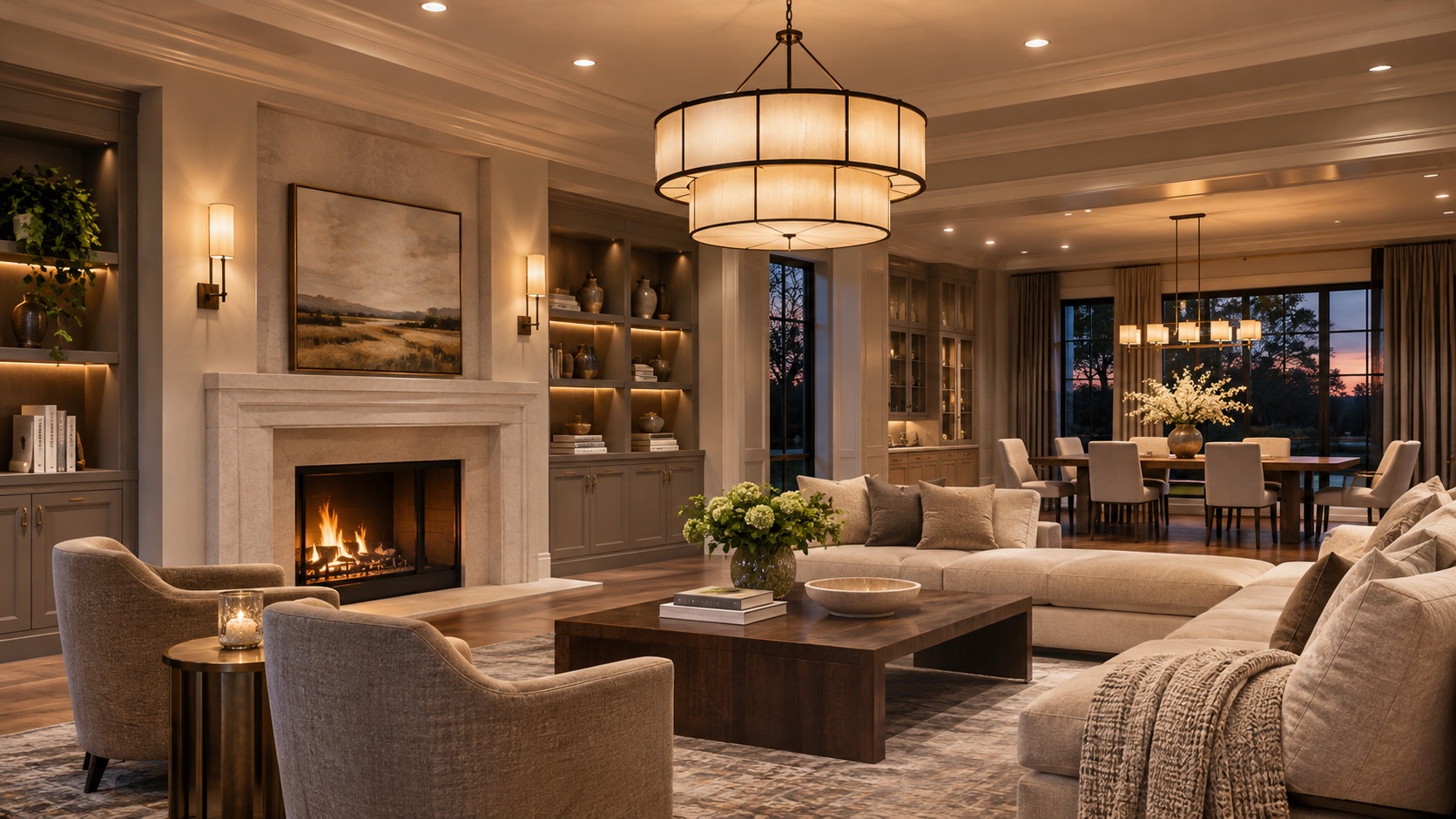
Top 10 Lighting Manufacturers in 2026
The following companies serve different parts of the lighting market. Some offer extensive LED and lighting control systems, while others focus on architectural design, commercial applications, or custom residential projects.
| Manufacturer | Country | Best For | Main Products |
|---|---|---|---|
| Avrelahome | China | Custom lighting projects | Custom lighting, furniture, cabinetry |
| Signify | Netherlands | Global lighting solutions | LED, smart and commercial lighting |
| Acuity Brands | USA | Commercial and architectural lighting | Indoor, outdoor and lighting controls |
| Cooper Lighting Solutions | USA | Commercial and industrial lighting | LED fixtures and controls |
| Current | USA | Commercial and industrial projects | Indoor, outdoor and LED systems |
| Cree Lighting | USA | High-performance LED lighting | Commercial and industrial LED |
| Zumtobel Group | Austria | Architectural lighting | Professional indoor and outdoor lighting |
| Fagerhult Group | Sweden | Professional workplace lighting | Office, education and healthcare lighting |
| Flos | Italy | Design-focused lighting | Decorative and architectural fixtures |
| LSI Industries | USA | Retail and commercial lighting | Indoor, outdoor and display solutions |
1. Avrelahome: Best for Custom Lighting and Whole-Home Projects
Avrelahome is a Foshan-based custom interiors supplier serving overseas homeowners, designers, and residential projects. Its services include custom lighting, bathroom vanities, kitchen cabinets, wardrobes, and other made-to-order furniture.
Unlike manufacturers focused primarily on standard lighting catalogs, Avrelahome supports custom lighting projects based on individual design requirements. Buyers can coordinate lighting fixtures with cabinetry, furniture, materials, and the overall interior style.
This approach is particularly useful for custom homes and luxury villas. For example, a homeowner planning a new property may need decorative lighting for the living room, pendant lights for the kitchen, bedroom lighting, and coordinated bathroom fixtures. Planning these elements together helps maintain a consistent look while accounting for furniture dimensions, electrical locations, and installation requirements.
Avrelahome’s whole-home customization services help bring these different decisions into one coordinated interior plan.
- Pros:
- Supports custom lighting based on project requirements.
- Coordinates lighting with furniture, cabinetry, and interior finishes.
- Suitable for whole-home projects involving multiple rooms.
- Cons:
- Custom designs require early confirmation of specifications, materials, pricing, and production schedules.
- Overseas buyers need to coordinate shipping and local installation.
- Best For: Custom homes, luxury villas, interior designers, and homeowners planning coordinated lighting and furniture projects.
2. Signify: Best for Global Lighting Solutions
Signify is a Netherlands-based global lighting company with a broad portfolio of professional and consumer lighting products. Its portfolio includes Philips lighting, Philips Hue, Signify Interact, Dynalite, and Cooper Lighting Solutions.
The company offers LED luminaires, indoor and outdoor fixtures, connected lighting systems, and lighting controls. This makes it relevant to projects ranging from residential smart lighting to large commercial buildings and public spaces.
For businesses managing multiple properties or facilities, Signify’s connected lighting systems can support centralized monitoring, control, and energy management.
- Pros:
- Extensive global product and brand portfolio.
- Covers residential, commercial, industrial, and outdoor lighting.
- Offers connected lighting and control solutions.
- Cons:
- Its broad portfolio can make product selection more involved.
- Product availability and service options vary by market.
- Best For: Large commercial projects, multinational businesses, smart buildings, and buyers needing integrated lighting systems.
3. Acuity Brands: Best for Commercial and Architectural Lighting
Acuity Brands is a major U.S. lighting company offering products for commercial, residential, industrial, and outdoor applications. Its portfolio includes brands such as Lithonia Lighting, Juno, Gotham, Holophane, and Peerless.
The company offers recessed lights, linear fixtures, panel lights, outdoor area lighting, and architectural products. Its lighting controls and connected systems also support projects that require more than basic illumination.
Acuity Brands is particularly relevant to offices, schools, healthcare facilities, retail stores, and large commercial developments.
- Pros:
- Broad commercial and architectural lighting selection.
- Multiple specialist brands for different applications.
- Lighting controls and smart building solutions.
- Cons:
- Its extensive product range requires careful specification.
- Some professional fixtures are primarily available through distributors and project channels.
- Best For: Commercial buildings, offices, schools, healthcare facilities, and large outdoor lighting projects.
4. Cooper Lighting Solutions: Best for Commercial and Industrial Lighting
Cooper Lighting Solutions is a North American lighting business within Signify. It has more than 60 years of experience in lighting product development and manufacturing.
Its portfolio includes brands such as HALO, Corelite, Metalux, Ephesus, Invue, and Greengate. Products cover recessed lighting, linear fixtures, industrial lighting, sports lighting, outdoor area lighting, and lighting controls.
This range makes Cooper Lighting Solutions a practical option for commercial buildings and industrial facilities that need application-specific fixtures and controls.
- Pros:
- Extensive indoor, outdoor, and industrial lighting portfolio.
- Offers specialist brands for healthcare, sports, and commercial applications.
- Provides lighting control and connected system options.
- Cons:
- Its focus is primarily professional and project lighting rather than decorative residential fixtures.
- Product selection may require input from lighting designers or distributors.
- Best For: Commercial buildings, factories, warehouses, sports venues, and infrastructure projects.
5. Current: Best for Commercial and Industrial Projects
Current is a U.S. lighting company serving commercial, industrial, institutional, and outdoor applications. Its portfolio includes LED fixtures, lighting controls, sensors, and connected lighting solutions.
Common applications include warehouses, manufacturing facilities, office buildings, retail stores, roadways, and healthcare facilities. High-bay fixtures, area lighting, and commercial LED products are especially relevant to large facilities with long operating hours.
For buyers managing multiple locations, matching fixture specifications across different sites can also simplify maintenance and replacement.
- Pros:
- Covers commercial, industrial, and outdoor lighting applications.
- Offers LED fixtures and lighting control solutions.
- Suitable for large facilities and multi-location projects.
- Cons:
- Its core focus is professional lighting rather than decorative home fixtures.
- Specific product and brand availability should be confirmed for each project.
- Best For: Warehouses, factories, retail chains, office buildings, and institutional facilities.
6. Cree Lighting: Best for High-Performance LED Lighting
Cree Lighting is a U.S.-based lighting manufacturer specializing in commercial and outdoor LED products. Its portfolio includes indoor fixtures, outdoor area lighting, roadway lighting, and intelligent lighting solutions.
The company emphasizes optical performance, visual comfort, energy efficiency, and product reliability. These features matter in environments where lighting operates for extended periods, such as warehouses, parking lots, offices, and commercial facilities.
Buyers should evaluate individual fixture specifications rather than relying on the brand name alone. Light output, efficacy, color quality, and mounting requirements all influence whether a product fits a particular application.
- Pros:
- Long-standing experience in LED lighting.
- Offers indoor, outdoor, and intelligent lighting products.
- Focuses on optical performance and visual comfort.
- Cons:
- Product selection is more focused on professional applications than decorative residential lighting.
- Technical specifications and control compatibility need to be checked by model.
- Best For: Industrial facilities, warehouses, commercial buildings, and projects requiring high-performance LED fixtures.
7. Zumtobel Group: Best for Architectural Lighting
Zumtobel Group is an Austrian lighting group known for professional architectural and commercial lighting. Its portfolio includes Zumtobel and Thorn, serving different indoor and outdoor applications.
Zumtobel focuses on lighting for offices, education, retail, hospitality, healthcare, industry, and architectural spaces. Its products include LED luminaires, lighting management systems, and integrated lighting solutions.
For architects and lighting designers, the relationship between light, building materials, and room functions is especially important. Zumtobel’s application-focused approach makes it relevant to projects where lighting is part of the architectural design rather than an afterthought.
- Pros:
- Strong focus on professional architectural lighting.
- Products for hospitality, offices, healthcare, and public buildings.
- Combines luminaires with lighting management systems.
- Cons:
- Primarily serves professional and specification-driven projects.
- Some solutions require coordination with lighting designers or system integrators.
- Best For: Hotels, offices, public buildings, healthcare facilities, and architectural projects.
8. Fagerhult Group: Best for Professional Workplace Lighting
Fagerhult Group is a Swedish lighting group with 13 brands serving professional indoor and outdoor environments. Its portfolio covers offices, education, healthcare, retail, and infrastructure.
The group works through specialist brands that serve different applications and markets. Its products include linear lighting systems, pendant fixtures, track lighting, outdoor luminaires, and connected lighting solutions.
Fagerhult’s local manufacturing and brand network also support project-specific requirements in different markets. This can be useful for professional environments where lighting quality, energy efficiency, and delivery coordination all matter.
- Pros:
- Broad professional lighting portfolio across multiple applications.
- Specialist brands for different customer and project needs.
- Offers tailored lighting solutions through local operations and partners.
- Cons:
- Its portfolio is primarily designed for professional environments.
- Buyers need to identify the appropriate brand and regional supplier.
- Best For: Offices, schools, healthcare facilities, retail spaces, and professional building projects.
9. Flos: Best for Design-Focused and Custom Architectural Lighting
Flos is an Italian design lighting brand known for decorative and architectural fixtures. Its portfolio includes pendant lights, wall lights, table lamps, floor lamps, and professional lighting products.
One of its key advantages is Flos Bespoke, a service for made-to-order products and customized lighting solutions. Depending on the project, buyers can customize existing collections, select personalized finishes, or develop unique fixtures through a collaborative design and prototyping process.
This service is particularly relevant to hospitality, retail, residential, and cultural projects where lighting needs to complement a distinctive interior concept.
- Pros:
- Recognized design-focused lighting portfolio.
- Offers custom finishes and made-to-order lighting through Flos Bespoke.
- Supports design development, prototyping, and project installation.
- Cons:
- Premium positioning may require a larger budget.
- Custom projects need additional design coordination and production time.
- Best For: Luxury homes, hotels, architects, interior designers, and distinctive commercial interiors.
10. LSI Industries: Best for Retail and Commercial Lighting
LSI Industries is a U.S. manufacturer of non-residential lighting and retail display solutions. Its lighting portfolio covers indoor and outdoor fixtures, controls, and application-specific products.
The company serves grocery stores, convenience stores, gas stations, parking facilities, warehouses, sports venues, and commercial properties. It also combines lighting with graphics, signage, and display fixtures, making it relevant to businesses that want coordinated store environments.
For retail chains and multi-location operators, this integrated approach can reduce the need to coordinate several unrelated suppliers.
- Pros:
- Strong focus on retail and commercial lighting applications.
- Offers indoor, outdoor, and industrial fixtures.
- Combines lighting with retail display and branding solutions.
- Cons:
- Primarily serves non-residential projects.
- Less suited to buyers looking for decorative home lighting collections.
- Best For: Retail chains, grocery stores, gas stations, warehouses, and commercial property projects.
What Types of Lighting Manufacturers Are Available?
Lighting manufacturers generally specialize in different product categories and applications. Understanding these differences helps buyers avoid comparing suppliers that serve completely different markets.
Residential Lighting Manufacturers
Residential lighting manufacturers supply fixtures for living rooms, bedrooms, kitchens, bathrooms, and outdoor home spaces.
Common products include chandeliers, pendant lights, recessed lights, wall sconces, ceiling fixtures, and under-cabinet lighting. Custom home projects may also require made-to-order decorative fixtures or lighting coordinated with cabinetry and furniture.
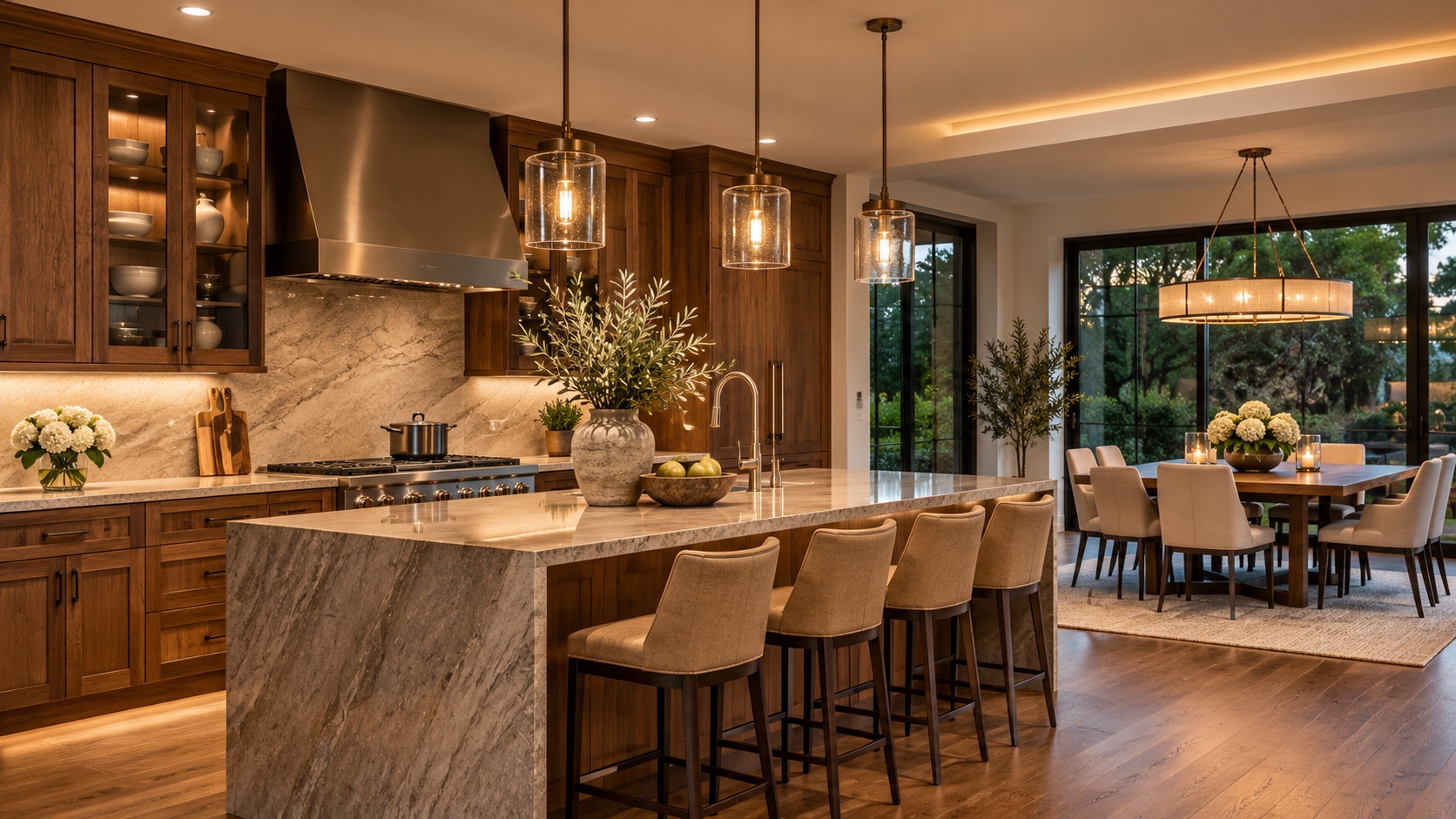
For example, a kitchen may need task lighting beneath cabinets, while a living room may require a combination of ambient, accent, and decorative lighting.
Commercial Lighting Manufacturers
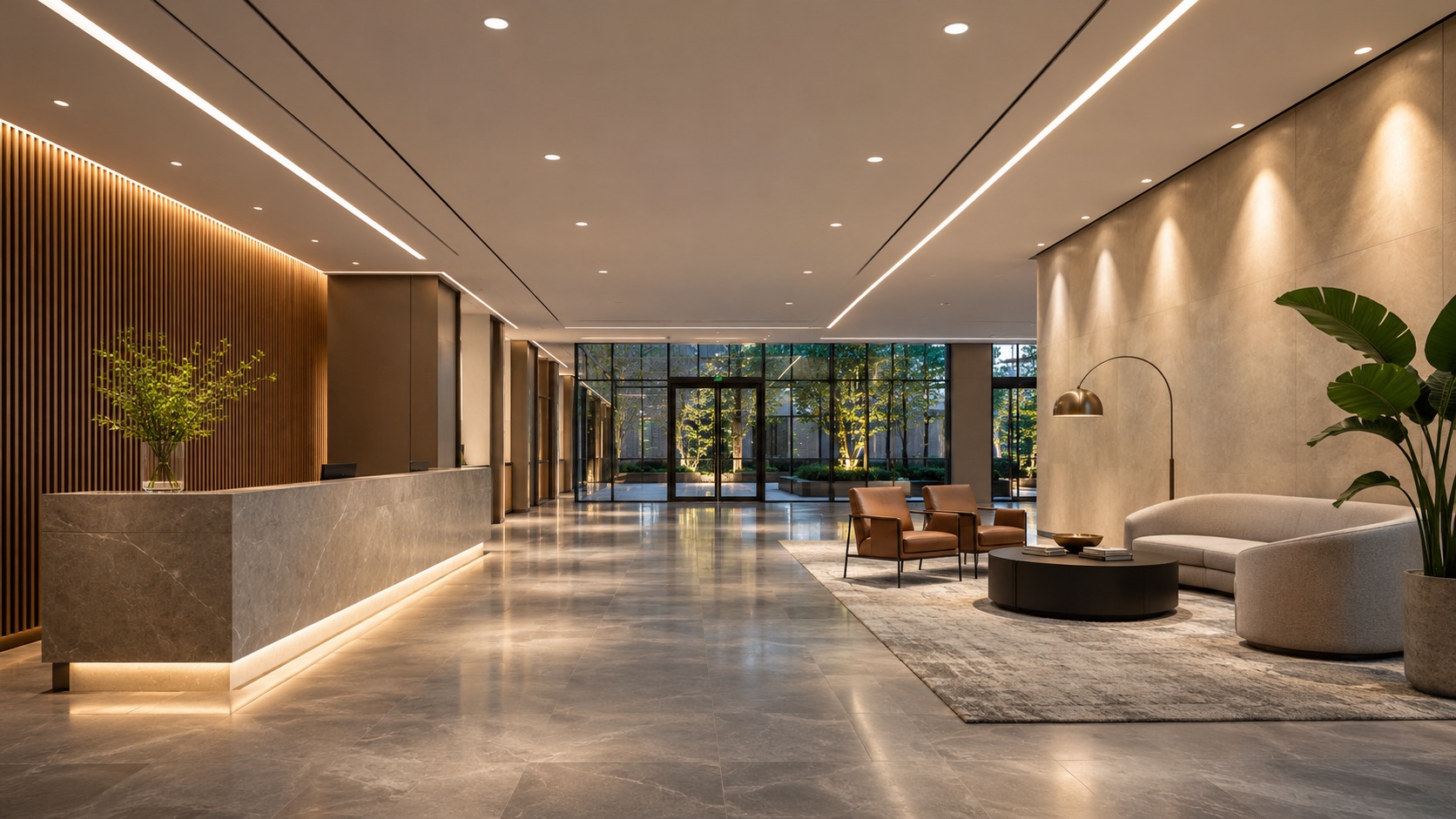
Commercial lighting manufacturers serve offices, hotels, restaurants, retail stores, and other business environments.
Common products include linear fixtures, LED panels, downlights, track lighting, troffers, and outdoor area lights. Buyers should compare light output, efficacy, color rendering, glare control, and lighting control compatibility.
Hotel lighting often requires a different approach from office lighting. Guest rooms prioritize comfort and atmosphere, while corridors and service areas need consistent illumination and practical maintenance access.
Industrial and Outdoor Lighting Manufacturers
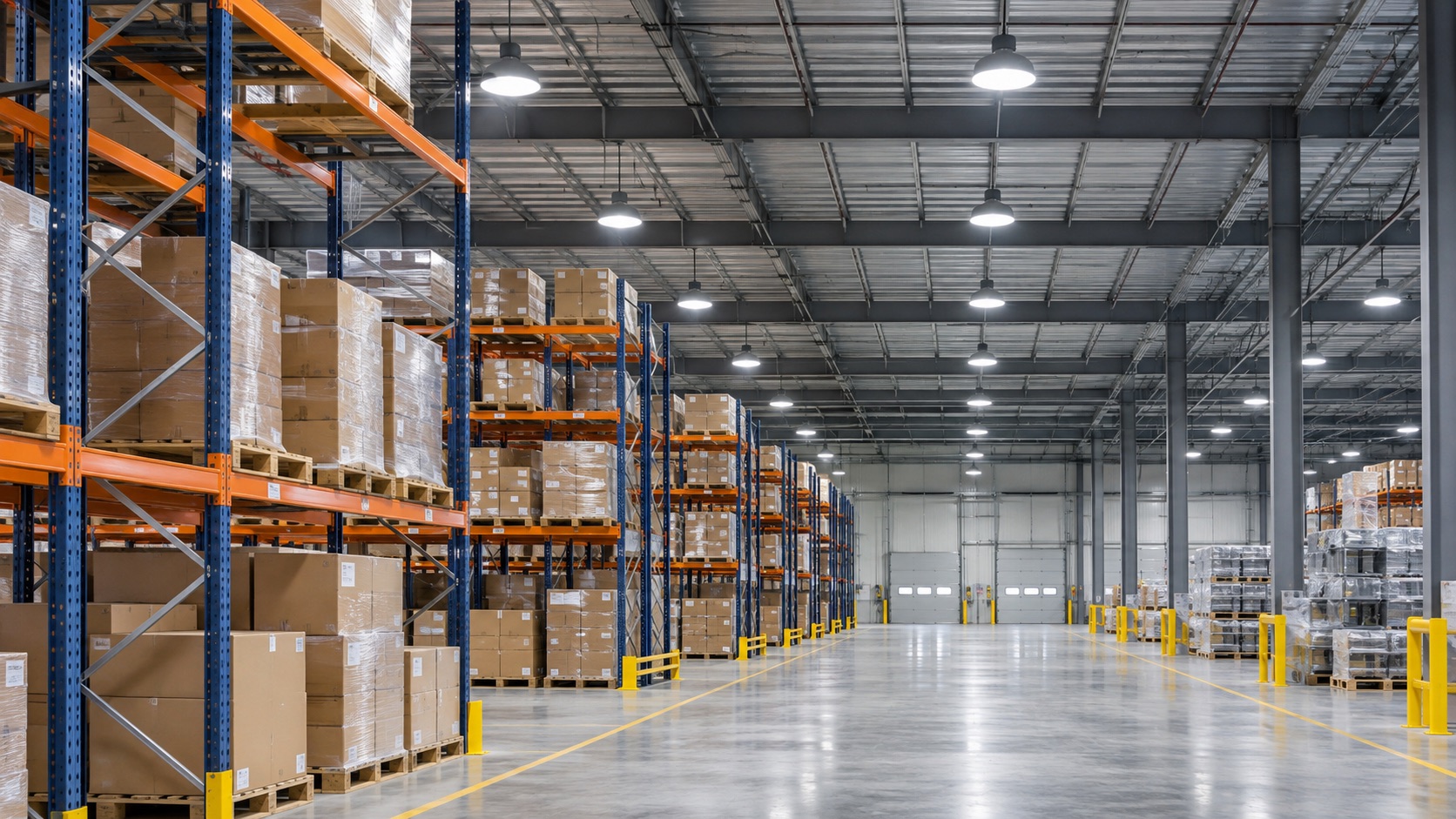
Industrial lighting manufacturers supply fixtures for warehouses, factories, logistics centers, and production facilities.
High-bay and low-bay LED fixtures are common choices for spaces with high ceilings. Outdoor lighting covers parking lots, roads, building facades, sports facilities, and landscape areas.
When choosing products for these environments, check environmental ratings, mounting requirements, light distribution, and maintenance access.
Architectural and Custom Lighting Manufacturers
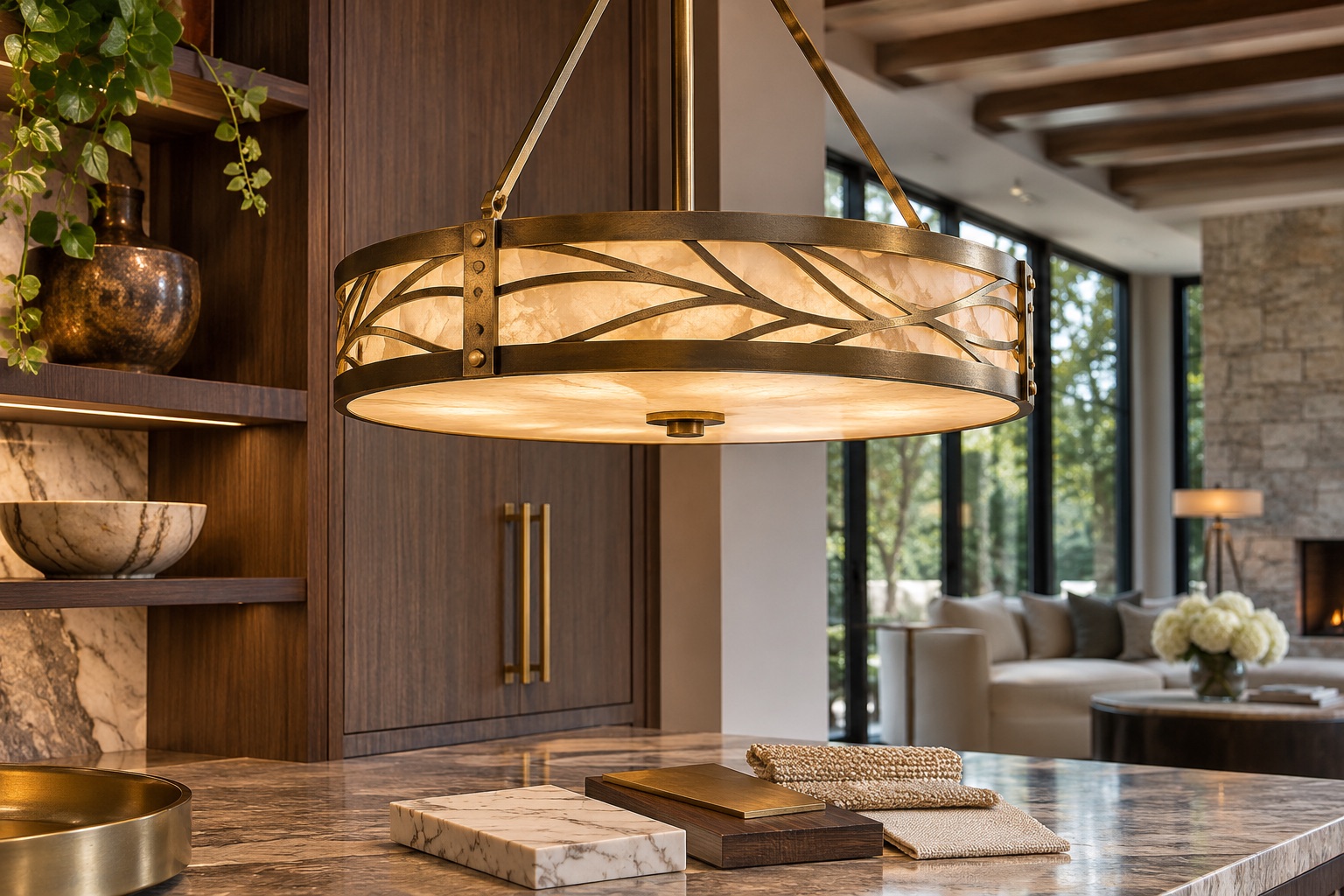
Architectural lighting manufacturers focus on integrating light with building design. Their products may include linear architectural fixtures, facade lighting, concealed LED systems, decorative pendants, and custom-shaped luminaires.
Custom lighting manufacturers can also develop fixtures around a project’s dimensions, materials, finishes, and design direction. This is especially useful for luxury homes, hotels, restaurants, and commercial spaces with distinctive interiors.
For these projects, the best supplier is not necessarily the one with the largest catalog. Design support, technical drawings, material options, and coordination with other interior elements can be more important.
How to Choose the Right Lighting Manufacturer
Choosing a lighting manufacturer requires more than comparing product prices. The right supplier should meet your project’s performance requirements, installation conditions, budget, and delivery schedule.
Match the Manufacturer to Your Project Type
Start by identifying where the lighting will be installed.
A custom home may need decorative fixtures and coordinated lighting across several rooms. An office project may prioritize glare control and task illumination, while a hotel needs lighting that balances atmosphere, visual comfort, and maintenance.
For factories and warehouses, focus on light output, mounting height, environmental conditions, and long operating hours.
Matching the supplier to the project type makes it easier to narrow down product options and avoid paying for features you don’t need.
Compare Lighting Performance and Specifications
Before requesting a quote, review the technical specifications of each fixture.
| Parameter | What It Means | Why It Matters |
|---|---|---|
| Lumens | Total visible light output | Indicates how much light a fixture produces |
| Lumens per Watt | Lighting efficacy | Helps compare energy efficiency |
| CRI | Color Rendering Index | Shows how accurately colors appear |
| CCT | Correlated Color Temperature | Describes warm or cool light appearance |
| Beam Angle | Light distribution angle | Affects coverage and focus |
| Glare Control | Reduction of visual discomfort | Improves comfort in occupied spaces |
These specifications should be considered together. A high-lumen fixture is not automatically the best option if it creates glare or distributes light unevenly.
For larger projects, lighting calculations and photometric files can help designers check whether a fixture meets the required illumination levels.
Check Certifications and Safety Standards
For lighting products sold and installed in the U.S., buyers should verify the certifications and qualifications relevant to the specific product and application.
- UL Listed: Indicates that a product has been evaluated against applicable safety standards by UL Solutions.
- ETL Listed: Indicates testing and certification by Intertek against applicable safety standards.
- DLC Qualified: Applies to eligible commercial lighting products that meet the DesignLights Consortium’s efficiency and performance requirements.
UL and ETL are safety certification marks, while DLC qualification focuses on product performance and energy efficiency. They are not interchangeable.
Ask suppliers for current certification records and verify that the listed model matches the product being quoted.
Evaluate Customization and Manufacturing Capabilities
If your project requires custom lighting, ask exactly what the supplier can modify.
Important questions include:
- Can the fixture dimensions or shape be customized?
- Are different materials, colors, and finishes available?
- Can the supplier develop project-specific designs?
- Are technical drawings and physical samples available?
- Can production meet the project’s delivery schedule?
For whole-home projects, also consider whether the supplier can coordinate lighting with furniture, cabinetry, and other interior elements.
Avrelahome, for example, combines custom lighting with broader whole-home planning services. This can be useful when fixture locations, cabinet dimensions, electrical points, and room layouts need to be reviewed together.
Its whole-house customization process also explains how design approval, material selection, production, shipping, and installation planning fit into a larger project.
Compare Warranty, Lead Time, and After-Sales Support
Before placing an order, confirm the warranty period, replacement parts availability, and support for drivers, controls, and other electrical components.
For custom lighting, also check the drawing approval process, sample requirements, production lead time, packaging, and shipping responsibilities.
If the supplier is overseas, clarify who handles customs, delivery, installation, and product inspection. These details can affect the total project cost as much as the fixture price.
FAQ
Who Are the Top Lighting Manufacturers in the World?
Signify, Acuity Brands, Zumtobel Group, and Fagerhult Group are among the major international lighting companies. They serve different markets, including commercial, architectural, industrial, and professional workplace lighting.
What Is the Difference Between a Lighting Manufacturer and a Lighting Supplier?
A lighting manufacturer typically develops or produces lighting products, while a supplier may sell its own products or source fixtures from partner factories. Buyers should confirm the actual production source and who is responsible for product quality and warranty support.
Which Lighting Manufacturers Offer Custom Lighting?
Avrelahome supports custom lighting as part of broader residential and whole-home projects. Flos Bespoke offers made-to-order fixtures and customized designs, while Fagerhult Group also provides tailored professional lighting solutions through selected brands.
What Certifications Should Lighting Manufacturers Have in the USA?
Depending on the product and installation, buyers should check applicable UL or ETL safety certifications. Commercial lighting projects may also require DLC-qualified products for specific energy efficiency programs.
How Do I Choose a Lighting Manufacturer for a Large Project?
Define the project scope, fixture specifications, quantities, and budget first. Then compare manufacturers based on product performance, certifications, customization capabilities, production capacity, lead times, and after-sales support.