
A whole house remodel typically costs $15 to $60 per square foot for general updates, while a full gut renovation can run $60 to $150 per square foot or more. For a 2,000-square-foot home, that means roughly $30,000 to $120,000 for standard improvements or $120,000 to $300,000 for a major overhaul.
The final price depends on more than square footage. Kitchen and bathroom upgrades, structural changes, labor rates, and material choices can significantly affect your budget. This guide breaks down whole house renovation costs by home size and room, explains common hidden expenses, and shows you how to plan a realistic remodeling budget.
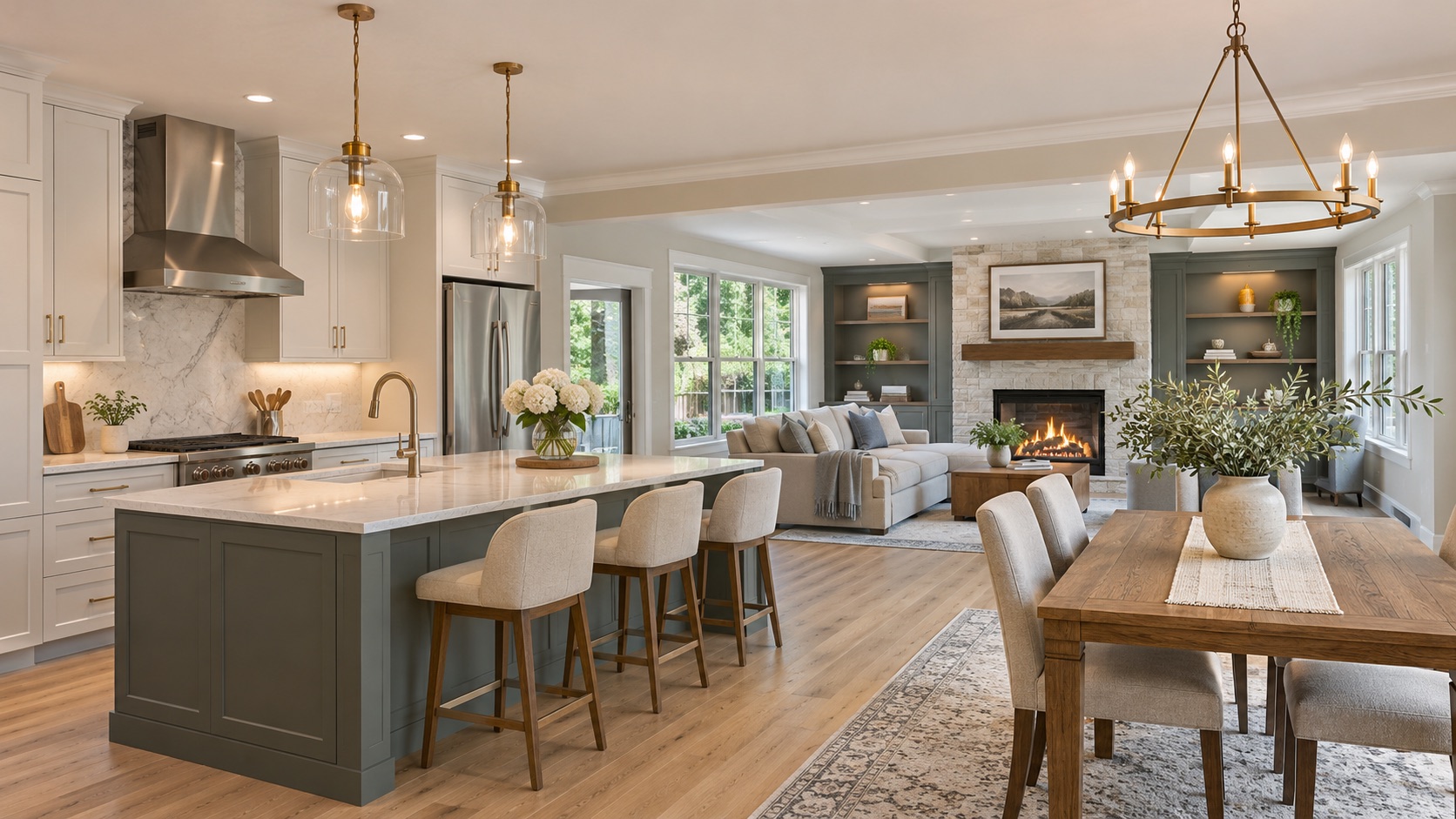
How Much Does a Whole House Remodel Cost in 2026?
Whole house remodeling costs depend largely on how much of the existing home you plan to change. Updating floors, paint, and fixtures is very different from removing walls, replacing plumbing, and rebuilding the interior.
Angi reports an average home renovation cost of approximately $52,140 in 2026, based on projects involving homes of roughly 1,250 to 1,600 square feet. That figure is useful for general planning, but it should not be treated as the average cost of a complete gut renovation.
Average Whole House Remodel Cost Per Square Foot
For an initial estimate, homeowners can compare three general remodeling levels.
| Remodel Level | Estimated Cost | Typical Work |
|---|---|---|
| General updates | $15–$60/sq. ft. | Painting, flooring, lighting, basic upgrades |
| Full gut renovation | $60–$150+/sq. ft. | Demolition, plumbing, electrical, major interior work |
| Luxury remodeling | Custom quote | Premium finishes, extensive custom cabinetry, complex layouts |
Source: HomeGuide's U.S. house remodeling cost estimates. Luxury project pricing varies too widely to assign a reliable universal range.
A general remodel may include new flooring, interior painting, updated fixtures, and selected kitchen or bathroom improvements. Keeping the existing layout and major systems intact usually makes costs easier to control.
A full gut renovation is considerably more involved. It may require removing interior finishes, updating electrical and plumbing systems, repairing structural issues, and rebuilding multiple rooms.
Whole House Renovation Cost by Home Size
Square footage gives you a starting point for your home renovation budget. The table below applies general U.S. cost-per-square-foot estimates to four common home sizes.
| Home Size | General Updates | Full Gut Remodel |
|---|---|---|
| 1,500 sq. ft. | $22,500–$90,000 | $90,000–$225,000+ |
| 2,000 sq. ft. | $30,000–$120,000 | $120,000–$300,000+ |
| 2,500 sq. ft. | $37,500–$150,000 | $150,000–$375,000+ |
| 3,000 sq. ft. | $45,000–$180,000 | $180,000–$450,000+ |
These figures are planning estimates calculated from square footage, not contractor quotes or maximum project costs.
For example, the cost to remodel a 2,000 sq. ft. house could be relatively modest if you're repainting, replacing floors, and refreshing a few rooms. The same property could require a six-figure budget if you replace the kitchen, remodel multiple bathrooms, and upgrade aging mechanical systems.
The important question is not simply how large your house is. It's how much of the home needs to be rebuilt.
Cosmetic Renovation vs. Full Gut Remodel
A cosmetic renovation focuses on improving the appearance and usability of existing spaces without major structural changes.
Common projects include painting walls, replacing flooring, updating cabinet doors, installing new fixtures, and upgrading selected appliances.
A full gut remodel involves much more demolition and rebuilding. Depending on the property's condition, it may include replacing plumbing, rewiring, HVAC upgrades, structural repairs, and a new interior layout.
For an older home, a professional inspection can help determine whether major systems actually need replacement. There is little value in demolishing functional plumbing or electrical systems simply to achieve a different interior style.
Whole House Remodel Cost Breakdown by Room
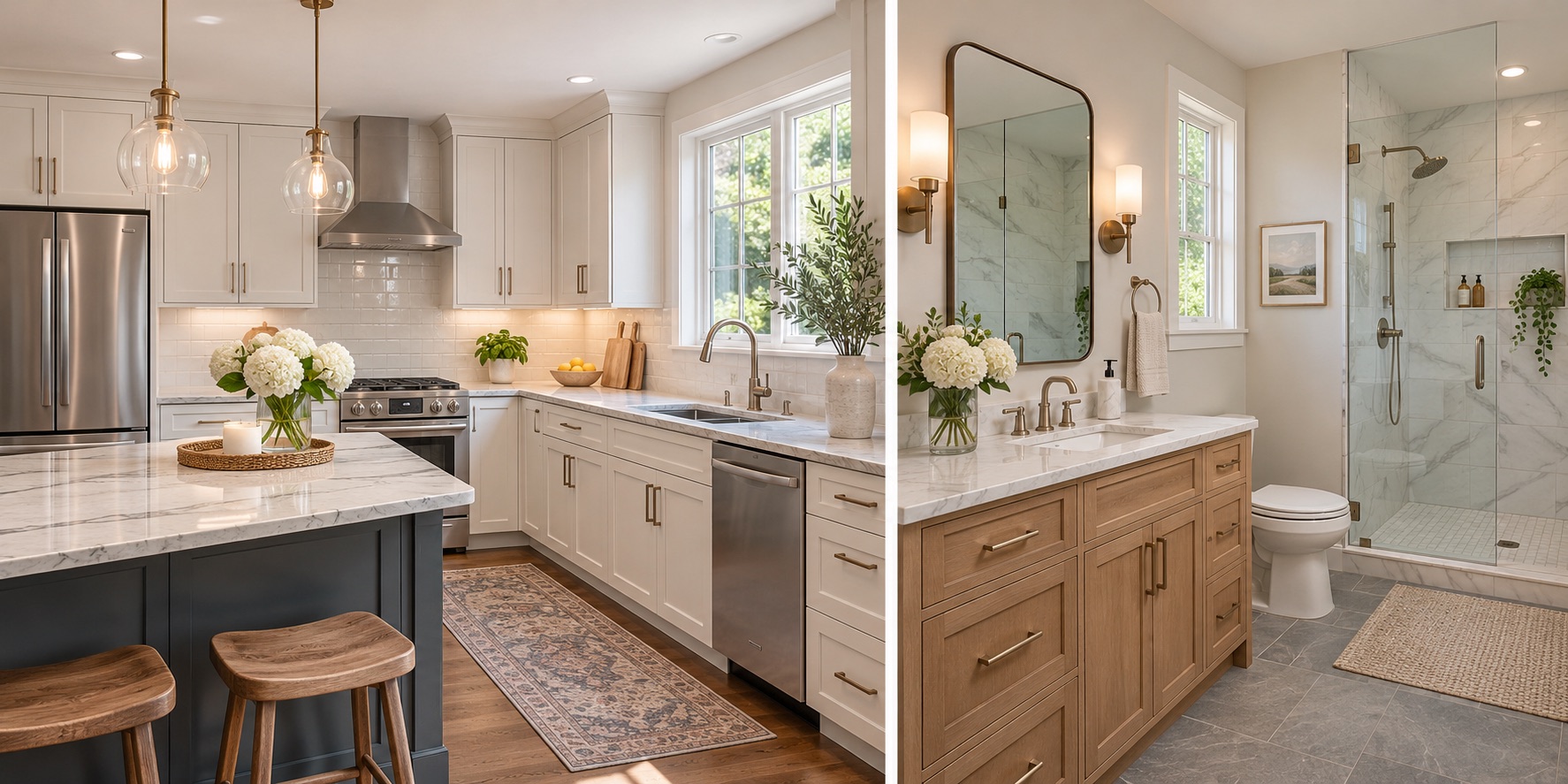
Kitchens and bathrooms often account for a substantial portion of a home renovation budget because they combine cabinetry, plumbing, electrical work, fixtures, and installation.
Living rooms and bedrooms usually involve fewer mechanical systems, although flooring, lighting, and built-in storage can still add up. Breaking your estimate down by room makes it easier to see where the money will go.
Kitchen Remodeling Costs
A typical kitchen remodel in the U.S. costs approximately $10,000 to $50,000, according to HomeGuide. Major layout changes, high-end appliances, and extensive custom cabinetry can push the cost higher.
Kitchen budgets usually include cabinets, countertops, appliances, flooring, lighting, plumbing, and labor.
Cabinetry is often one of the largest expenses. If your current cabinets are structurally sound, replacing the doors or refinishing the surfaces may be more economical than installing entirely new cabinets.
Custom kitchen cabinets become more useful when you're changing the layout, adding a large island, integrating appliances, or working around unusual dimensions.
Moving the sink, gas line, or major appliances can also increase installation costs. Decide whether those changes are necessary before finalizing your cabinetry design.
Bathroom Remodeling Costs
Bathroom remodeling typically costs around $5,000 to $25,000, depending on the room size and project scope. Large primary bathrooms and luxury renovations can exceed that range.
The main expenses include bathroom vanities, countertops, tubs, showers, tile, waterproofing, plumbing, and installation.
A straightforward vanity replacement is generally less complicated than converting a bathtub into a walk-in shower or relocating plumbing fixtures.
If your home has multiple bathrooms, consider giving each one a different budget. A guest bathroom may only need standard fixtures and basic finishes, while the primary bathroom could justify a larger investment in storage, a spacious shower, or a custom vanity.
Living Room, Bedroom, and Flooring Costs
Living rooms and bedrooms are often less expensive to renovate because they typically require fewer plumbing or mechanical changes.
The biggest expenses usually involve flooring, painting, lighting, doors, trim, and storage improvements.
Flooring deserves particular attention in a whole house remodel. Replacing floors across multiple rooms involves more than buying new materials. Your budget may also need to cover removing the old flooring, repairing the subfloor, replacing baseboards, and installation labor.
Lighting costs can also change depending on the scope. Replacing existing fixtures is generally simpler than installing new recessed lights, relocating switches, or adding electrical circuits.
For bedrooms with limited storage, built-in wardrobes may provide more lasting value than decorative upgrades.
Custom Cabinetry and Built-In Furniture Costs
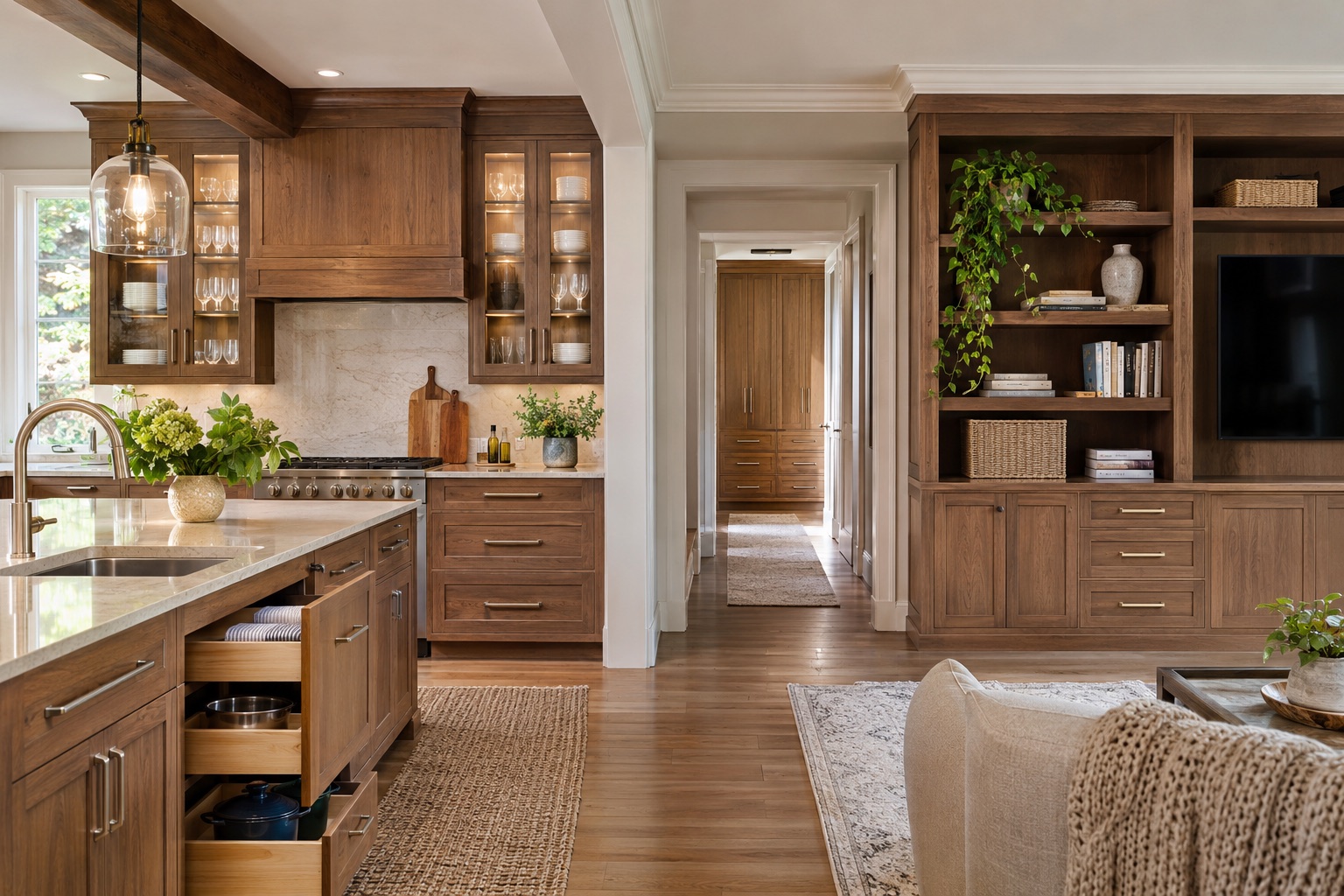
Custom cabinetry should be treated as a separate product category when planning a whole house renovation. It may include kitchen cabinets, bathroom vanities, wardrobes, walk-in closets, laundry storage, and built-in entertainment units.
Unlike painting or flooring, custom cabinetry is usually priced according to cabinet dimensions, materials, finishes, hardware, and interior configurations.
For homeowners updating several rooms, working with one custom cabinetry supplier can help coordinate measurements, materials, and design details.
Avrelahome, a Foshan-based whole-home customization supplier, offers custom cabinetry and furniture for kitchens, bathrooms, bedrooms, closets, and other residential spaces.
Its published whole-house customization cost guide explains how product scope, materials, hardware, and shipping arrangements affect pricing.
One residential cabinetry quotation featured by Avrelahome totals $31,720 across eight areas of a home, including the kitchen, bedrooms, laundry room, and living space. The quotation is based on EXW terms, meaning international freight, U.S. import duties, local delivery, and installation are not included.
That distinction matters. A factory quote for custom cabinets should never be compared directly with a U.S. contractor's complete remodeling quote.
What Affects the Total Whole House Renovation Cost?
Two houses with identical floor plans can have very different renovation costs. The property's age, existing condition, location, and finish level all influence the amount of work required.
Understanding these cost drivers helps homeowners decide where to spend more and where simpler improvements will be enough.
Home Size, Age, and Existing Conditions
Larger homes generally require more materials and labor, but older houses often come with additional challenges.
Once demolition begins, contractors may uncover water damage, deteriorated framing, outdated wiring, or plumbing problems that were not visible during the initial inspection.
These issues can increase costs even if you haven't changed the original renovation plan.
If you're purchasing a fixer-upper, inspect the roof, foundation, plumbing, electrical system, and HVAC equipment before committing to a major remodeling budget. Repairs to essential systems should take priority over decorative improvements.
Labor Costs and Geographic Location
Labor costs vary considerably across the United States.
Contractors in high-cost markets such as San Francisco, Los Angeles, and New York may charge more than national averages. Local permit requirements, access to skilled trades, and project complexity also affect pricing.
Rather than relying entirely on online estimates, request two or three detailed quotes from contractors in your area.
Each quote should cover the same scope of work. Otherwise, a lower bid may simply exclude demolition, permits, materials, or other necessary services.
Materials, Finishes, and Custom Features
Finish selections can change your budget even when the floor plan stays the same.
For example, stock kitchen cabinets and laminate countertops will generally cost less than custom cabinetry with premium hardware and stone surfaces.
Luxury bathroom fixtures, hardwood flooring, specialty lighting, and built-in furniture can also increase both product and installation expenses.
If you're considering custom cabinets for multiple rooms, compare the cabinet structure, panel materials, finishes, hardware, and installation requirements before making a decision.
A higher-priced finish is not necessarily more practical. Prioritize durability and daily usability where they matter most.
Permits, Structural Changes, and Hidden Expenses
Some of the most expensive remodeling surprises come from work that was never included in the original estimate.
Potential additional expenses include building permits, architectural drawings, structural engineering, demolition, waste removal, temporary housing, and unexpected repairs.
Removing a load-bearing wall, for instance, may require engineering review and structural reinforcement. Moving a bathroom or kitchen can add plumbing and electrical work beyond the cost of new fixtures.
Ask your contractor to identify exclusions before signing the agreement. A clear scope of work is one of the best ways to reduce unexpected charges.
How to Plan a Realistic Home Renovation Budget
A useful home renovation budget starts with the work your house actually needs, not with a target number borrowed from another project.
Separate essential repairs from cosmetic improvements, estimate each room individually, and leave enough room for unexpected expenses. This makes it easier to adjust the project without compromising necessary work.
Build a Room-by-Room Renovation Budget
Consider a 2,000-square-foot home receiving a midrange renovation. The project includes a kitchen, two bathrooms, new flooring, selected electrical and plumbing improvements, and additional built-in storage.
The following example shows how a $120,000 budget might be allocated.
| Budget Category | Example Budget |
|---|---|
| Kitchen remodel, including cabinets | $25,000 |
| Two bathrooms, including vanities | $25,000 |
| Flooring, painting, and lighting | $18,000 |
| Selected plumbing, electrical, and HVAC work | $14,000 |
| Additional custom wardrobes and built-ins | $10,000 |
| Demolition and debris removal | $6,000 |
| Design, permits, and project-related fees | $7,000 |
| Contingency fund | $15,000 |
| Total | $120,000 |
This is an illustrative budget, not an average U.S. remodeling quote. Kitchen cabinets and bathroom vanities are already included in their respective room budgets. The separate built-in furniture allowance covers additional items, so costs are not counted twice.

The example also shows why the whole house remodel cost can rise quickly. Even without extensive structural changes, updating several rooms and major systems at once requires a substantial investment.
If your budget is tighter, consider reducing optional built-ins or decorative upgrades before cutting essential plumbing, waterproofing, or electrical work.
Set Aside a Contingency Fund
A contingency fund helps cover problems that only become visible once construction begins.
For many renovation projects, setting aside approximately 10% to 20% of planned costs is a reasonable starting point. Older homes and gut renovations may justify a larger reserve.
For example, if your planned renovation work costs $100,000, a 15% contingency adds $15,000, bringing the total available budget to $115,000.
This money should be reserved for genuine surprises, such as hidden water damage, damaged subfloors, or unexpected electrical repairs.
Avoid using it for premium finishes or optional upgrades before the major construction work is complete.
Compare Contractor Quotes and Product Costs
A contractor's remodeling estimate and a custom furniture supplier's quotation may cover completely different responsibilities.
A general contractor typically manages on-site construction and coordinates trades. A cabinetry supplier may provide design drawings, materials, manufacturing, packaging, and delivery under agreed terms.
Before approving a custom order, review the whole-house customization process so you understand when measurements, materials, technical drawings, production, and shipping details must be finalized.
For imported products, confirm whether the quotation uses EXW, FOB, CIF, or DDP terms. These terms affect which shipping-related costs and responsibilities fall to the buyer or supplier.
The objective is to compare complete project costs, not just the lowest product price.
How to Save Money on a Whole House Remodel
Saving money on a whole house renovation does not mean choosing the cheapest material in every room.
A better approach is to limit unnecessary construction changes, prioritize improvements that affect daily living, and make major purchasing decisions before work begins.
Keep Existing Plumbing and Room Layouts
Moving sinks, toilets, gas lines, or major appliances can add significant labor and material costs.
If your current kitchen layout works well, replacing the cabinets and countertops without relocating the plumbing may be a more economical solution.
The same principle applies to bathrooms. Keeping a shower or vanity in its existing location can reduce the complexity of the renovation.
However, layout changes may still be worthwhile when they solve serious functional problems. Compare the long-term benefit with the full construction cost before deciding.
Prioritize High-Impact Renovations
When money is limited, focus on the parts of the home that have the greatest effect on everyday use.
A poorly functioning kitchen, deteriorating bathroom, damaged flooring, or inadequate storage may deserve attention before decorative wall finishes or statement lighting.
For some homeowners, better drawer organization and additional pantry storage will improve daily life more than replacing perfectly functional kitchen appliances.
You can also divide the work into phases. Just remember that separate projects may create repeated labor, delivery, and contractor mobilization costs.
Compare Local and Overseas Custom Cabinetry Quotes
For a house that needs extensive kitchen cabinets, wardrobes, bathroom vanities, and built-in furniture, comparing local and overseas suppliers may help you identify more suitable product and budget options.
U.S. suppliers may offer easier site coordination and local installation arrangements. Overseas suppliers may provide different materials, customization options, and factory pricing, but shipping and import expenses must be included.
Avrelahome offers whole-home customization services for homeowners planning coordinated cabinetry and furniture across multiple rooms. Its project-based approach allows buyers to review layouts, materials, finishes, and furniture requirements together.
For U.S. projects, the final comparison should include product pricing, freight, customs charges, local delivery, installation, and any required adjustments.
Avrelahome does not replace a U.S. general contractor for demolition, structural work, plumbing, or electrical installation. Those services need to be arranged separately.
If your remodel includes extensive made-to-measure cabinetry, you can request a project-specific quotation using your floor plan, room measurements, material preferences, and delivery location.
Final Thoughts
A realistic whole house renovation budget depends on what you're changing, not simply how large the property is. Cosmetic updates can be relatively affordable, while kitchens, bathrooms, structural repairs, and system upgrades can push costs much higher.
Start with the essential work, price each room separately, and reserve funds for unexpected expenses. If custom cabinetry is part of the plan, compare product costs and installation responsibilities separately from the main construction contract. That will give you a clearer picture of what the entire remodel will actually cost.
FAQ
Is $100,000 Enough for a Whole House Renovation?
It can be enough for a moderate remodel, particularly in a smaller home with limited structural work. However, a full gut renovation, major system replacements, or multiple luxury bathrooms can quickly exceed $100,000.
Is It Cheaper to Remodel a House or Rebuild It?
Remodeling is often more economical when the existing foundation, structure, and major systems are in good condition. If the house has extensive structural damage, compare a complete renovation quote with the cost of demolition and new construction before deciding.
Can You Renovate a House While Living in It?
Sometimes. Phased renovations may allow homeowners to remain in unaffected areas, but major demolition, utility interruptions, hazardous materials, or extensive dust can make temporary relocation necessary. Discuss safety and access with your contractor.
Is It Better to Remodel the Whole House at Once or Room by Room?
Remodeling the entire home at once can simplify scheduling and material coordination, but it requires more upfront funding. Room-by-room renovation spreads out expenses, although repeated labor and project setup may increase the total cost.
What Costs Are Usually Excluded From a Home Remodeling Quote?
Common exclusions include permits, design changes, unexpected structural repairs, debris removal, specialty fixtures, custom furniture, freight, and temporary housing. Always request a written breakdown of what is included and excluded before signing a contract.