
A living room renovation costs around $8,000 on average in the U.S., with most projects ranging from $2,500 to $15,000, according to Angi's 2026 data. Simple updates involving paint, lighting, and flooring can cost less, while structural changes, premium materials, and custom built-ins may push the total above $15,000.
The final living room renovation cost depends on room size, existing conditions, labor, and furniture choices. Whether you're refreshing a small family room or planning a complete remodel, understanding individual expenses and budget priorities can help you avoid unnecessary spending.
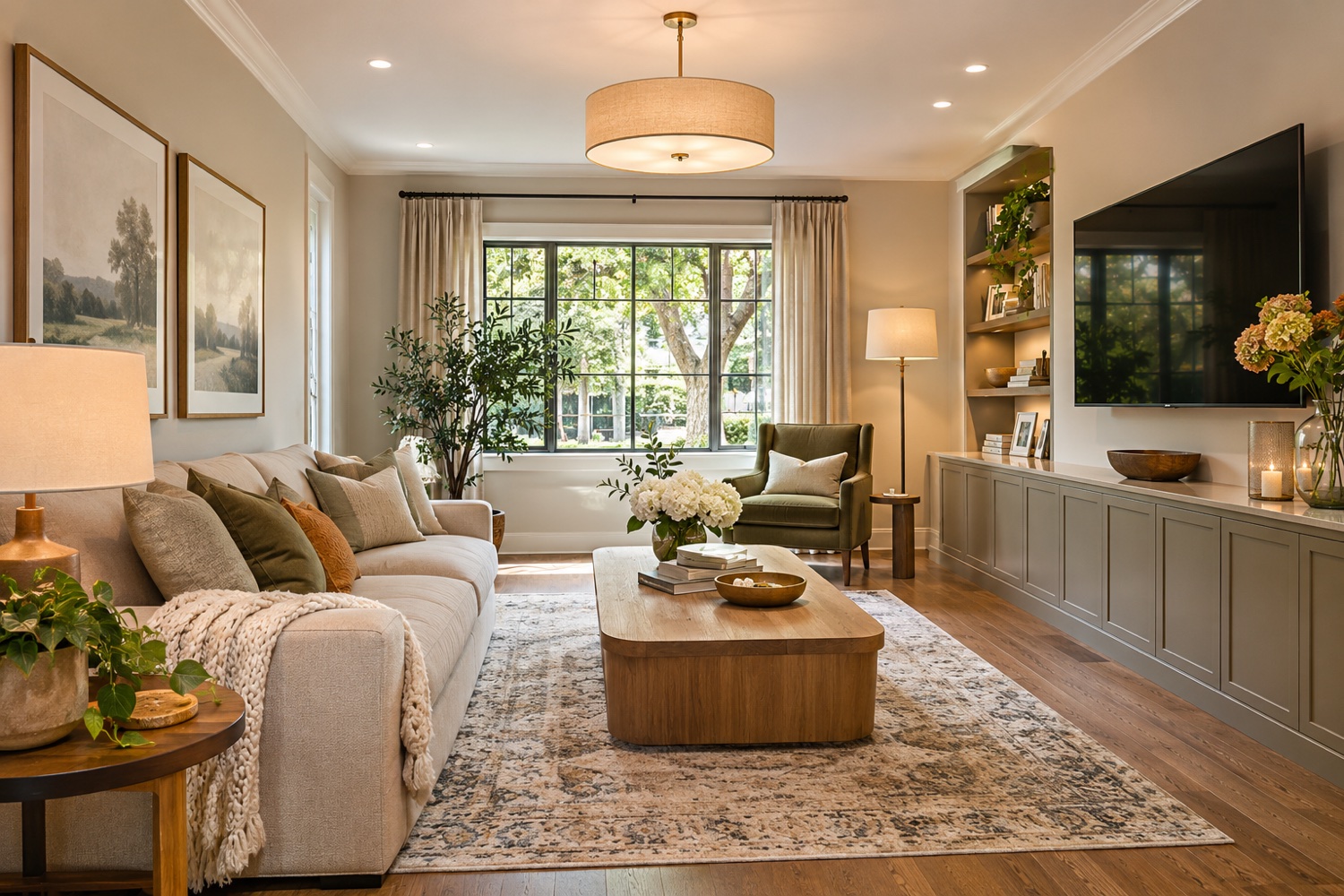
How Much Does a Living Room Renovation Cost in 2026?
Living room remodeling costs vary depending on how much work the space needs. Repainting walls and replacing flooring are generally more affordable than removing walls, updating electrical systems, or installing extensive custom cabinetry.
The most practical starting point is to compare the scope of different projects before estimating costs by room size.
Average Living Room Renovation Cost by Project Scope
According to HomeGuide and Angi, living room renovation budgets can be grouped into three broad categories.
| Renovation Level | Estimated Cost | Typical Work |
|---|---|---|
| Basic Cosmetic Renovation | $2,500–$5,000 | Painting, flooring, and minor finish updates |
| Typical Living Room Remodel | $2,500–$15,000 | Flooring, lighting, interior improvements, and selected upgrades |
| Major or Custom Remodel | $15,000+ | Structural changes, premium materials, extensive built-ins |
These ranges overlap because project categories are not standardized. They are general planning references rather than fixed remodeling packages.
A cosmetic renovation works best when the existing layout, electrical system, and main surfaces are in good condition. You can often improve the room through new paint, better lighting, updated flooring, and a few furniture changes.
A larger remodel may require multiple contractors, structural modifications, electrical work, or custom storage. These projects cost more because they involve additional labor and construction coordination.
The 2026 U.S. Houzz & Home Study reported a median spend of $5,000 on living room renovations completed in 2025. This reflects actual spending among surveyed homeowners, not the average price of a full professional remodel.
Living Room Renovation Cost by Room Size
Room size affects the amount of flooring, paint, and labor required. However, the type of work has an equally important influence on the final cost.
Angi's 2026 living room remodeling estimates provide the following examples.
| Living Room Size | Renovation Scope | Estimated Cost |
|---|---|---|
| 150 sq. ft. | Small room with cosmetic improvements | $4,000–$8,000 |
| 300 sq. ft. | Medium room with moderate upgrades | $8,000–$15,000 |
| 500 sq. ft. | Larger room with extensive remodeling | $12,000–$22,000 |
| 700 sq. ft. | Open-concept space with major improvements | $16,000–$30,000+ |
These figures describe different project scenarios, not one fixed cost-per-square-foot formula.
For example, a 300-square-foot living room may only need new flooring, fresh paint, and improved lighting. A room of the same size could cost much more if the project includes wall removal, extensive cabinetry, or major electrical changes.
Furniture placement also affects how much remodeling is necessary. Before changing the layout, review this living room furniture selection guide to determine whether better furniture dimensions and placement could solve the problem.
For a small living room, rearranging the seating or replacing an oversized sectional may be more practical than making structural changes.
Cosmetic Renovation vs. Full Living Room Remodel
A cosmetic renovation focuses on improving the appearance and comfort of the existing space without major structural changes.
Common projects include repainting walls, installing new flooring, updating light fixtures, changing window treatments, and replacing selected furniture.
A full remodel may involve removing walls, changing electrical circuits, rebuilding a fireplace, or adding large built-in storage systems.
The difference matters because construction work often requires specialized labor and may involve permits or inspections.
If your current living room layout already works well, a cosmetic update may deliver the improvements you want at a substantially lower cost.
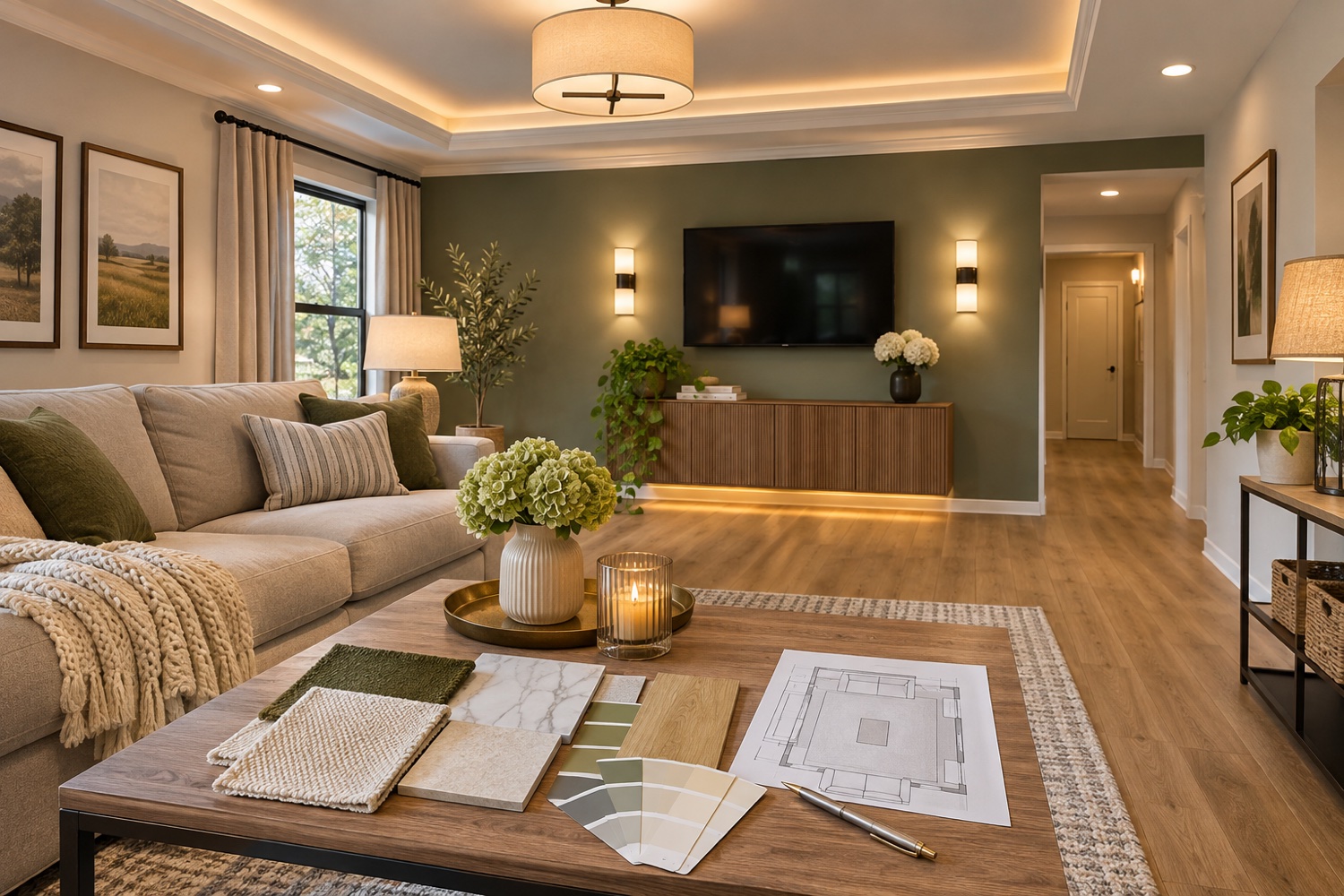
Living Room Renovation Cost Breakdown by Project
Most living room renovation budgets are divided among flooring, painting, lighting, furniture, and storage. Larger projects may also include fireplace improvements, structural work, or custom entertainment centers.
Separating construction expenses from furniture purchases makes it easier to compare quotations and understand where your budget is going.
Flooring, Painting, and Lighting Costs
Flooring and painting are two of the most common living room upgrades. Lighting is another important expense, particularly when the project requires new wiring or additional fixtures.
| Renovation Item | U.S. Cost Reference |
|---|---|
| Interior Painting | $600–$2,000 |
| Flooring Installation | $1,000–$3,800 |
| Lighting Upgrades | $150–$900 per fixture |
| Crown Molding | $400–$1,100 |
| Fireplace Installation | $1,000–$5,000 |
These are broad estimates from HomeGuide and Angi. The scope varies by item, and additional electrical, demolition, or installation work may not be included in every quote.
Flooring costs depend on the material and existing subfloor. Hardwood, laminate, luxury vinyl plank, carpet, and tile have different purchase prices and installation requirements.
For example, Angi estimates installed hardwood flooring at approximately $6 to $15 per square foot, while laminate may cost around $3 to $8 per square foot. Removing old flooring can add another $1 to $4 per square foot.
Lighting costs also depend on the type of work. Replacing an existing ceiling fixture is generally simpler than installing recessed lighting, moving switches, or adding new circuits.
If you plan to update a fireplace, get a separate quote for the specific work. Installing a new fireplace, replacing a surround, and refinishing an existing mantel are different projects with different costs.
Custom TV Cabinets and Entertainment Center Costs
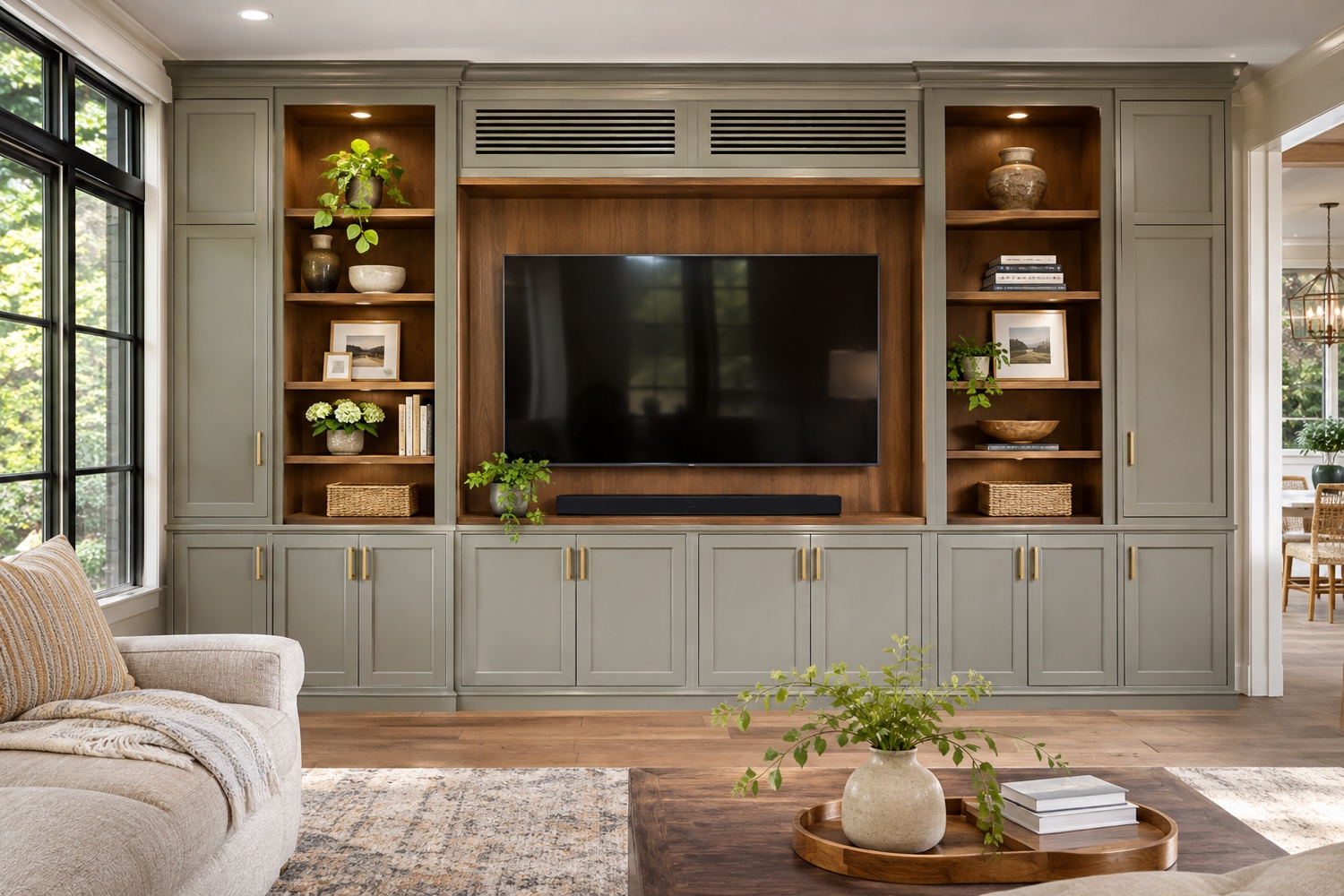
A custom entertainment center can become a major expense in a living room renovation, especially when it includes full-height cabinetry, integrated lighting, and concealed media equipment.
A freestanding TV stand is usually easier to purchase and install. Built-in entertainment centers require more planning because they must fit the wall, accommodate electronic devices, and coordinate with the room's electrical layout.
The price depends on cabinet dimensions, materials, finishes, hardware, and installation requirements. The custom furniture cost planning guide provides more detail on how made-to-order furniture is priced.
Before requesting a quotation, consider the following requirements:
- TV screen size and mounting position
- Storage for gaming consoles, speakers, and streaming devices
- Ventilation for electronic equipment
- Cable routing and electrical outlets
- Open shelving versus enclosed cabinets
- Lighting and decorative finishes
Avrelahome offers custom TV stands and media units designed around room measurements, equipment requirements, and storage preferences.
For example, a family room used for gaming and movies may need accessible wiring and ventilated compartments. A formal living room may benefit more from a low-profile media cabinet that keeps equipment out of sight.
For U.S. projects, the product quotation should be considered separately from any necessary wall construction, electrical work, shipping, and local installation.
A full media wall is worth considering when it solves a genuine storage or layout problem. If you only need space for a television and a few devices, a simpler cabinet may offer better value.
Living Room Furniture and Decor Costs
New furniture and decor can add approximately $1,000 to $7,000 or more to a living room remodel, according to Angi. The actual amount depends on how many pieces you replace and the materials you choose.
Typical purchases include sofas, sectionals, coffee tables, accent chairs, rugs, window treatments, and storage furniture.
For a family room, seating durability and comfort may deserve more attention than decorative pieces. A formal living room may place greater emphasis on furniture proportions, materials, and coordinated finishes.
Avrelahome provides custom living room furniture, including sofas, sectionals, chairs, coffee tables, and other furnishings designed for specific room layouts.
Custom furniture may be useful when standard dimensions don't fit the space or when you want coordinated furniture across an entire home.
However, replacing every piece isn't always necessary. If your current sofa is comfortable and structurally sound, updating the surrounding furniture, lighting, or rug may provide enough improvement.
Before buying, measure doorways, hallways, and staircases to ensure large furniture can be delivered safely.
What Affects the Total Living Room Remodel Cost?
Two living rooms with the same square footage can have very different renovation costs. Existing conditions, material choices, construction complexity, and local labor rates all influence the final price.
Understanding these factors can help you identify which expenses are essential and which upgrades are optional.
Room Condition and Local Labor Costs
Older homes may require repairs before cosmetic renovations begin. Removing flooring can reveal damaged subfloors, while opening walls may expose outdated wiring, moisture problems, or deteriorating materials.
These issues can increase costs even when the original renovation plan remains unchanged.
Labor rates also vary across the country. Contractors in cities such as San Francisco, Los Angeles, and New York may charge more than those in lower-cost markets.
Homes built before 1978 require additional attention when renovations disturb painted surfaces. The EPA's Lead Renovation, Repair and Painting Program outlines lead-safe requirements that may apply to professional renovation work.
Before finalizing your budget, ask contractors to inspect the existing room and identify areas where hidden repairs could affect the scope.
Open-Concept Layouts and Structural Changes
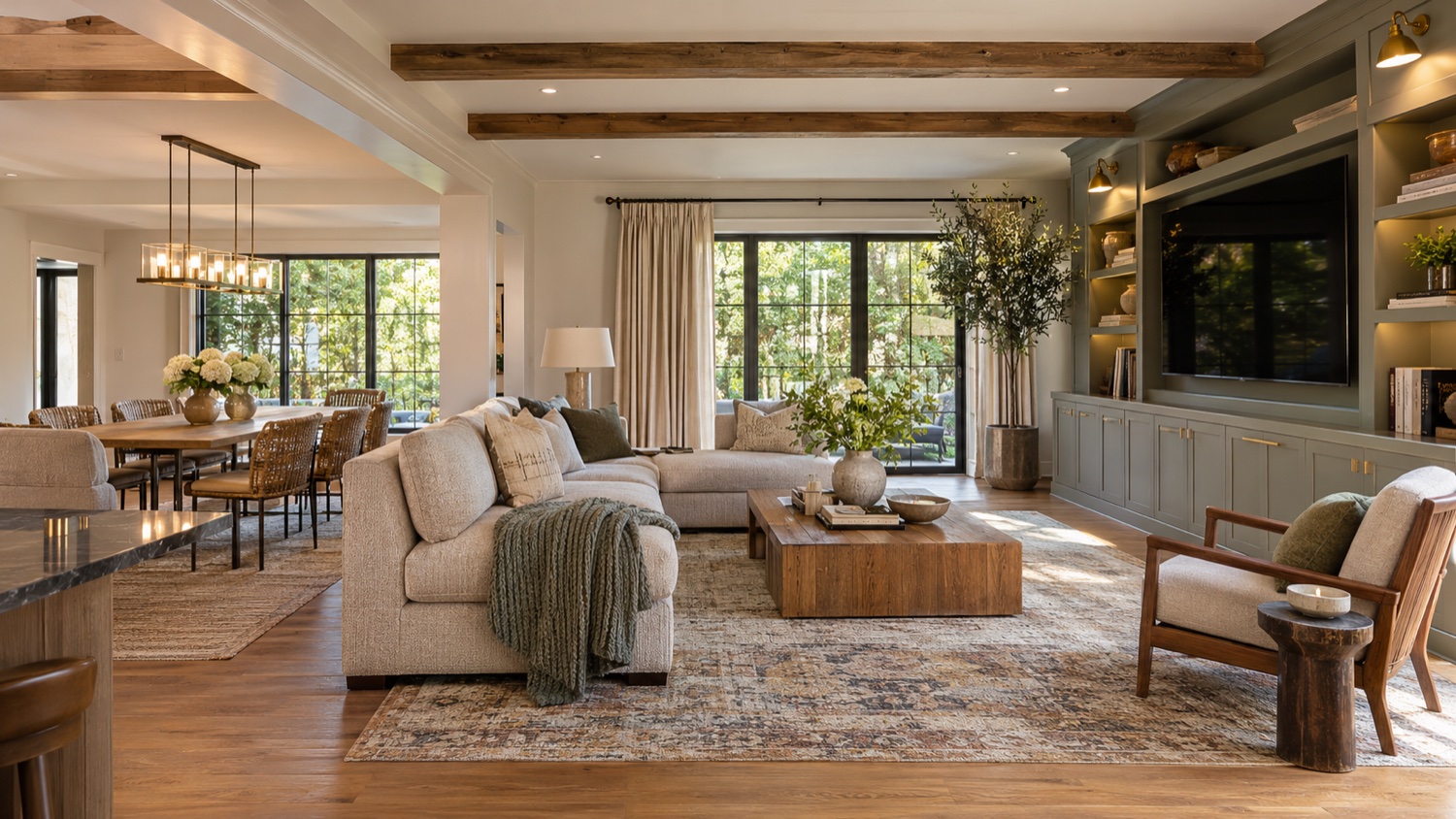
An open-concept living room can improve circulation and create a stronger connection between the living, dining, and kitchen areas.
However, removing a wall is very different from updating paint or flooring.
If the wall is load-bearing, the project may require structural engineering, additional support, permits, and inspections. Electrical wiring, HVAC ducts, or other systems inside the wall may also need to be relocated.
The cost of opening a living room to the kitchen therefore depends on the existing structure, not simply the wall's length.
A qualified contractor or structural engineer should evaluate the space before you commit to an open-concept design.
If the living room renovation is part of a larger project, coordinating structural work and other room improvements together may help reduce scheduling conflicts.
Materials, Permits, and Hidden Expenses
Finish selections can change your renovation budget even when the floor plan stays the same.
For example, installing hardwood flooring may cost more than laminate. Decorative wall panels, stone fireplace surrounds, and custom cabinetry can also increase material and labor expenses.
Some renovation quotes exclude work that homeowners assume is already covered.
Common examples include demolition, debris removal, permit fees, electrical modifications, subfloor repairs, and temporary furniture storage.
Ask your contractor to provide an itemized quote and identify all exclusions before work begins.
For custom products, confirm whether the quotation covers manufacturing only or includes shipping, delivery, and installation.
How to Plan a Realistic Living Room Renovation Budget
A practical living room renovation budget starts with the work the room actually needs. Essential repairs should come before decorative improvements or furniture upgrades.
The following examples show how two different budgets can be allocated. They are planning scenarios, not standard contractor prices.
A $3,500 Budget Living Room Makeover
A $3,500 budget can support a cosmetic refresh when the existing flooring, major furniture, and electrical system are in good condition.
| Budget Item | Example Allowance |
|---|---|
| Painting | $700 |
| Lighting | $350 |
| Window Treatments | $250 |
| Area Rug | $400 |
| Selected Furniture | $900 |
| Storage and Accessories | $350 |
| Contingency | $550 |
| Total | $3,500 |
This hypothetical budget assumes no structural changes, major electrical work, or flooring replacement.
The goal is to improve the room without paying for unnecessary construction.
For example, a fresh wall color, better lighting, a new rug, and a smaller coffee table can make an existing living room feel more comfortable.
Keeping your current sofa and other functional furniture leaves more money available for improvements that affect everyday use.
If the flooring is badly damaged or the room requires electrical repairs, those expenses should take priority over decorative purchases.
A $12,000 Living Room Remodel Budget
A $12,000 budget offers more flexibility for homeowners who want to replace flooring, update lighting, and add practical storage.
The following example assumes a medium-sized living room with no major structural problems.
| Budget Item | Example Allowance |
|---|---|
| Flooring and Installation | $3,200 |
| Painting and Wall Preparation | $1,200 |
| Lighting and Electrical Updates | $1,100 |
| Media Cabinet and Installation | $2,700 |
| Selected Furniture | $1,500 |
| Demolition and Preparation | $600 |
| Contingency | $1,700 |
| Total | $12,000 |
This is an illustrative budget, not a national average. Each allowance covers the stated scope, so materials and installation should not be counted twice.
The example includes a media cabinet, but not an extensive custom wall system or structural renovation.
If you want a full-height entertainment center, premium finishes, or major changes to the room layout, the budget may need to increase.
Custom cabinetry also requires advance planning. The whole-house customization process guide explains why measurements, material approvals, production schedules, and installation details should be coordinated before ordering.
For imported cabinets, production and shipping timelines should be considered alongside the local construction schedule.
How to Compare Contractor Quotes and Avoid Budget Overruns
A lower renovation quote isn't necessarily the better option if it excludes important work.
Ask contractors to provide estimates based on the same project scope and material specifications. This makes it easier to compare labor, materials, demolition, cleanup, and installation costs.
Before signing a contract, confirm:
- Whether demolition and debris removal are included
- Which materials and finishes are covered
- Whether electrical modifications require additional charges
- Who is responsible for permits and inspections
- Whether custom cabinetry includes installation
- How additional work and change orders will be priced
For many remodeling projects, reserving approximately 10% to 20% for unexpected expenses is a reasonable starting point. Older homes and projects involving demolition may require a larger contingency.
If you're purchasing imported furniture or cabinets, compare the complete delivered cost rather than the factory price alone.
Clear specifications and written responsibilities can help prevent unexpected charges during construction.
How to Save Money on a Living Room Renovation
The most effective way to reduce living room renovation costs is to avoid unnecessary work and invest in improvements that solve real problems.
Keeping the existing layout, reusing functional furniture, and choosing storage based on actual needs can make a meaningful difference without compromising the room's comfort.
Keep the Existing Layout and Reuse Furniture
Changing the layout can add structural, electrical, and labor expenses. If the existing space already works well, consider keeping the main walls and openings in place.
Fresh paint, updated lighting, and selected furniture changes can improve the room without major construction.
Before replacing your sofa or coffee table, evaluate its condition and size. A sturdy piece may be worth keeping, especially if it still fits the room comfortably.
Rearranging furniture can also improve circulation. Moving a sofa away from a doorway or replacing an oversized table may solve a layout problem without changing the room itself.
Prioritize Flooring, Lighting, and Practical Storage
Spend money on the features that affect how your family uses the room.
If the flooring is worn or damaged, repair it before purchasing decorative accessories. If the room feels dark, improve the lighting rather than immediately installing expensive wall treatments.
Storage should reflect the items you actually need to organize.
A family room used for movies and gaming may need accessible media storage. A living room used for entertaining may benefit more from comfortable seating and flexible side tables.
Avoid installing large built-in cabinets simply to fill an empty wall. In some rooms, a smaller media console provides all the storage you need.
Compare Built-In and Freestanding Furniture
Built-in furniture can work well when a living room has an awkward wall, recessed area, or specific storage requirements.
Freestanding furniture is generally easier to move and replace, making it suitable for homeowners who expect to change their layout over time.
The built-in versus freestanding furniture comparison explains how these options differ in flexibility, installation, and long-term use.
| Built-In Furniture | Freestanding Furniture |
|---|---|
| Designed around specific wall dimensions | Available in standard sizes |
| Can integrate storage and media equipment | Easier to rearrange or replace |
| Requires installation planning | Usually simpler to install |
| Useful for awkward spaces and long-term layouts | Useful when flexibility is important |
Neither option is automatically cheaper or better. The right choice depends on your room's dimensions, storage needs, and budget.
For homeowners planning coordinated cabinetry or furniture across multiple rooms, Avrelahome offers custom furniture and whole-home interior solutions based on project specifications.
For U.S. homeowners, the complete cost should include product manufacturing, international freight, duties, local delivery, and installation where applicable. Custom furniture supply is separate from local structural or electrical construction.
The additional investment is worthwhile when customization improves how the space functions or achieves a design that standard furniture cannot accommodate.
Final Thoughts
Living room renovation costs depend on the scope of work, room size, materials, and existing conditions. A simple makeover may only require painting, lighting, and selected furniture, while a full remodel can involve new flooring, structural changes, or custom entertainment centers.
Start with necessary repairs, establish a room-by-room budget, and compare construction expenses separately from furniture purchases. Keeping functional elements and choosing custom features only where they add practical value can help you create a more comfortable living room without unnecessary spending.
FAQ
Is $5,000 Enough to Renovate a Living Room?
Yes, $5,000 can be enough for a cosmetic renovation involving painting, lighting, selected furniture, and minor flooring improvements. Major structural work, extensive electrical changes, or large custom built-ins will usually require a higher budget.
How Much Does It Cost to Remodel a 300 Sq. Ft. Living Room?
Angi's 2026 estimates place a moderate 300-square-foot living room remodel at approximately $8,000 to $15,000. A furniture-focused refresh may cost less, while structural changes and premium materials can increase the price.
How Much Does an Open-Concept Living Room Remodel Cost?
The cost depends on whether walls are load-bearing and whether electrical or HVAC systems need to be moved. Structural modifications may require engineering, permits, and additional labor. A site-specific quote is necessary for a reliable estimate.
Do I Need a Permit to Renovate My Living Room?
Cosmetic improvements such as painting and furniture replacement generally don't require permits. Structural changes, new electrical circuits, and certain fireplace or window modifications may require approval under local building regulations.
Does Renovating a Living Room Increase Home Value?
It can improve a home's appeal, particularly when the work addresses damaged finishes, poor lighting, or an awkward layout. However, renovation costs are not guaranteed to be recovered at resale. The result depends on the local market, project scope, and buyer preferences.