
Windows do more than provide natural light and ventilation — they also affect your home’s energy efficiency, comfort, security, and overall appearance. With so many styles available, choosing the right window type depends on your space, design preferences, and functional needs.
This guide covers 10 common types of windows, including their key features, advantages, typical uses, and cost considerations. Whether you are replacing existing windows or planning a new home project, understanding the differences can help you choose the right option for your home.
10 Types of Windows at a Glance: Comparison Table
Different window types offer different advantages in terms of ventilation, design, maintenance, and cost. The table below provides a quick comparison of the most common window styles to help you understand which option may work best for your home.
| Window Type | Average Cost (Installed) | Best For | Key Feature |
| Single-Hung Windows | 400–800 per window | Budget-friendly homes, rental properties | Simple design with a fixed upper sash and movable lower sash |
| Double-Hung Windows | 500–1,200 per window | Bedrooms, living areas, traditional homes | Both upper and lower sashes open for flexible ventilation |
| Casement Windows | 600–1,500 per window | Areas needing airflow, energy-efficient homes | Hinged opening provides strong ventilation and a tight seal |
| Sliding Windows | 350–1,000 per window | Modern homes, wide openings | Horizontal operation saves space and is easy to use |
| Awning Windows | 500–1,200 per window | Bathrooms, kitchens, rainy climates | Top-hinged design allows ventilation while blocking rain |
| Picture Windows | 300–1,000 per window | Living rooms, scenic views | Large fixed glass area maximizes natural light |
| Bay Windows | 1,500–5,000+ per window | Living spaces, exterior upgrades | Extends outward to create extra space and dimension |
| Bow Windows | 2,000–6,000+ per window | Large rooms, architectural designs | Curved multi-window design creates wider views |
| Tilt and Turn Windows | 600–1,500 per window | Modern and European-style homes | Offers both inward opening and tilt ventilation modes |
| Specialty Shape Windows | 500–3,000+ per window | Custom homes and unique designs | Custom shapes add architectural character |
Note: Window costs vary depending on size, frame material, glass type, installation complexity, and customization requirements.
What Are the Different Types of Windows?
Windows come in many styles, each designed for different purposes, from improving ventilation and natural light to enhancing energy efficiency and architectural appeal. Understanding the features and best uses of each type can help you choose the right window for your home.
Single-Hung Windows
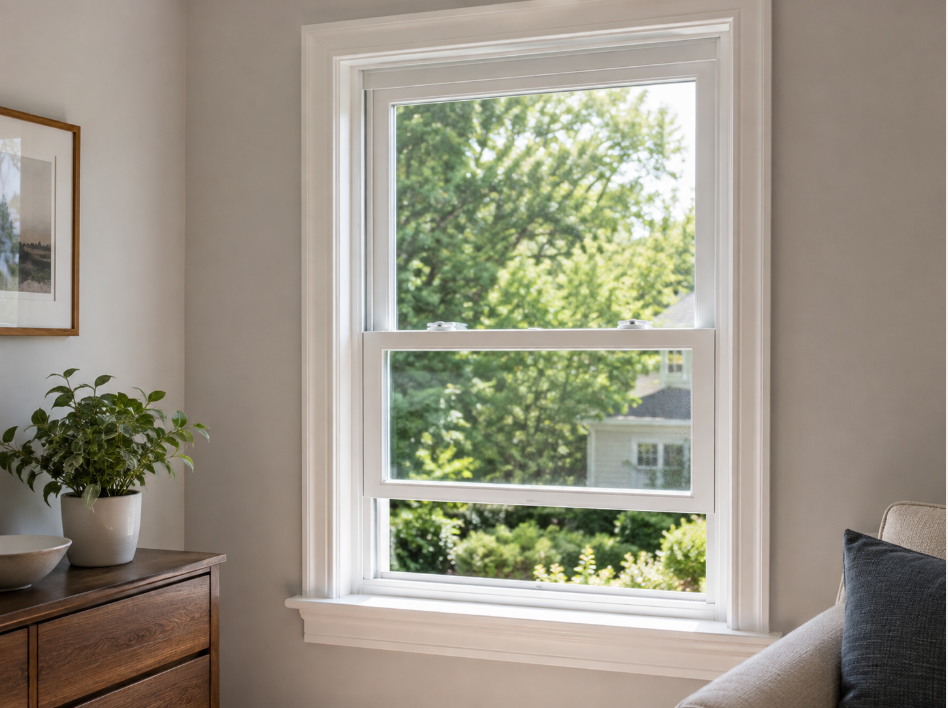
Single-hung windows feature a fixed upper sash and a movable lower sash that slides vertically to open. They are one of the most affordable window options because of their simple design and fewer moving parts.
Best for: Budget-conscious homeowners, rental properties, and traditional home designs.
Key benefits:
- Lower upfront cost
- Simple and reliable operation
- Suitable for standard window openings
Double-Hung Windows
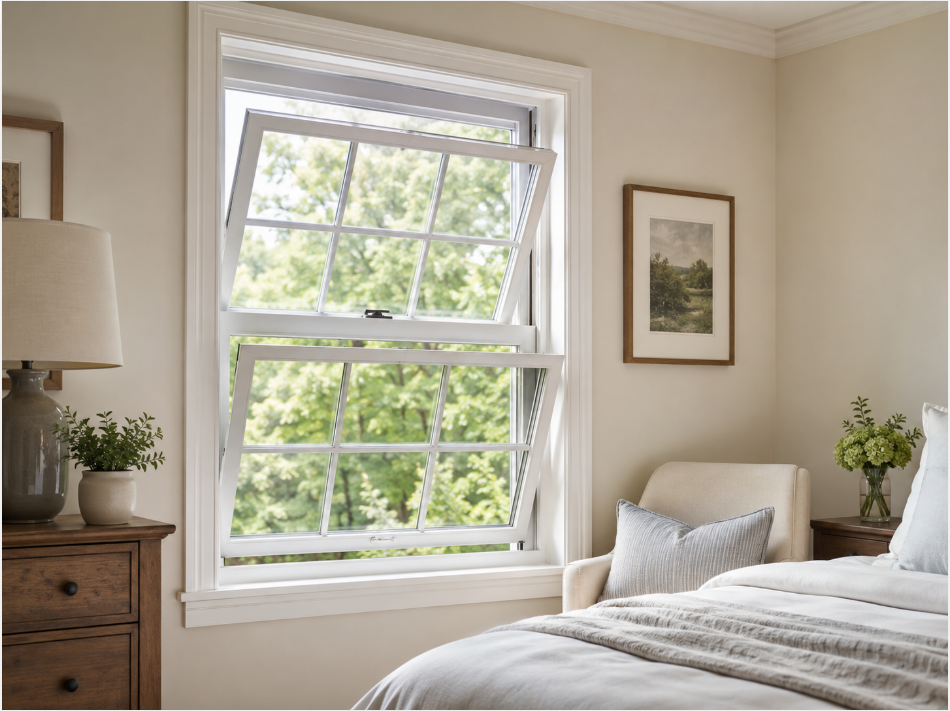
Double-hung windows allow both the upper and lower sashes to move, providing more flexible ventilation options than single-hung designs. Many models also feature tilt-in sashes, making exterior glass easier to clean.
Best for: Bedrooms, living rooms, and traditional-style homes.
Key benefits:
- Improved airflow control
- Easier cleaning and maintenance
- Classic appearance that suits many home styles
Casement Windows
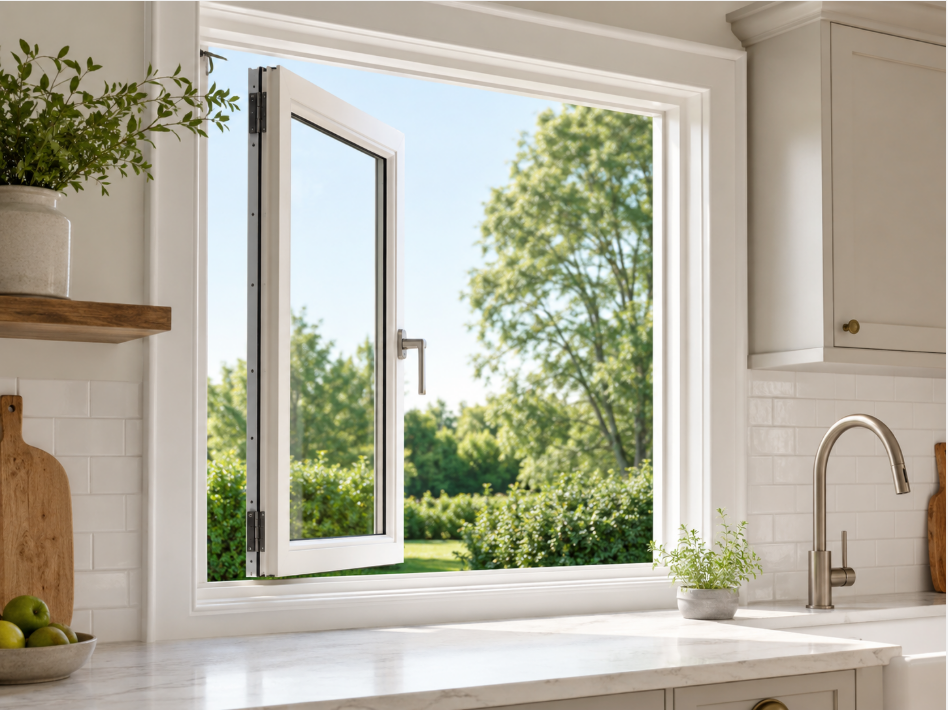
Casement windows are attached with side hinges and open outward using a crank handle. Their design creates a strong seal when closed, making them a popular choice for homeowners looking for ventilation and energy efficiency.
Best for: Kitchens, living areas, and rooms that need maximum airflow.
Key benefits:
- Excellent ventilation
- Strong weather sealing
- Easy operation with crank mechanisms
Sliding Windows
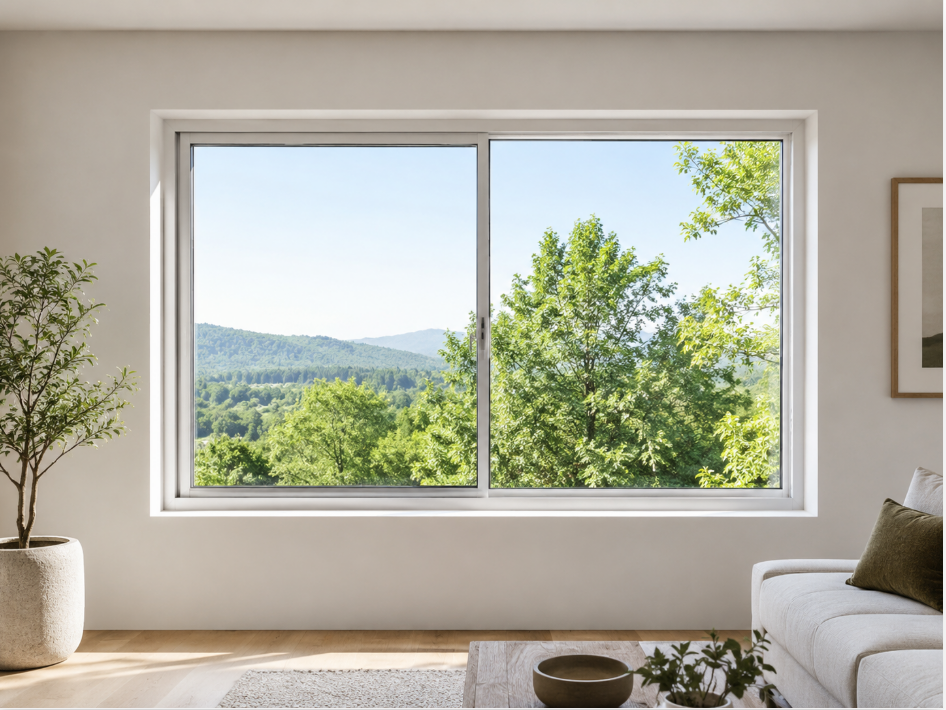
Sliding windows open horizontally by moving one or more panels along a track. They are a practical choice for spaces where outward-opening windows may not be suitable.
Best for: Modern homes, wide window openings, and areas with limited exterior space.
Key benefits:
- Space-saving design
- Easy to operate
- Provides wide views and natural light
Awning Windows
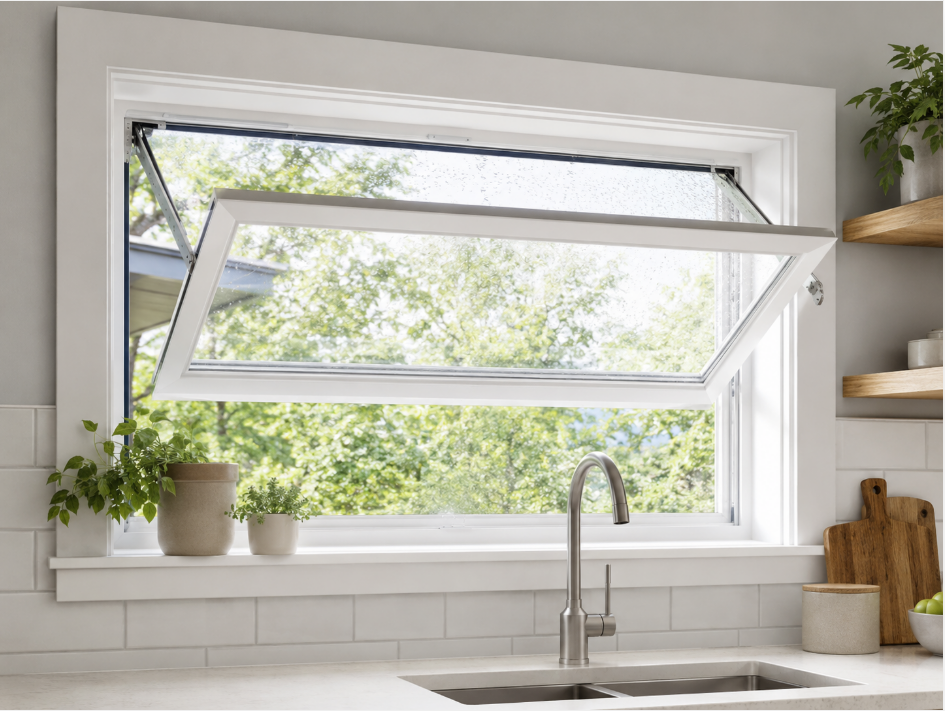
Awning windows are hinged at the top and open outward from the bottom. Their design allows fresh air to enter while helping keep rain out, making them useful in areas with changing weather conditions.
Best for: Bathrooms, basements, and kitchens.
Key benefits:
- Allows ventilation during light rain
- Provides privacy in smaller openings
- Works well with other window styles
Picture Windows
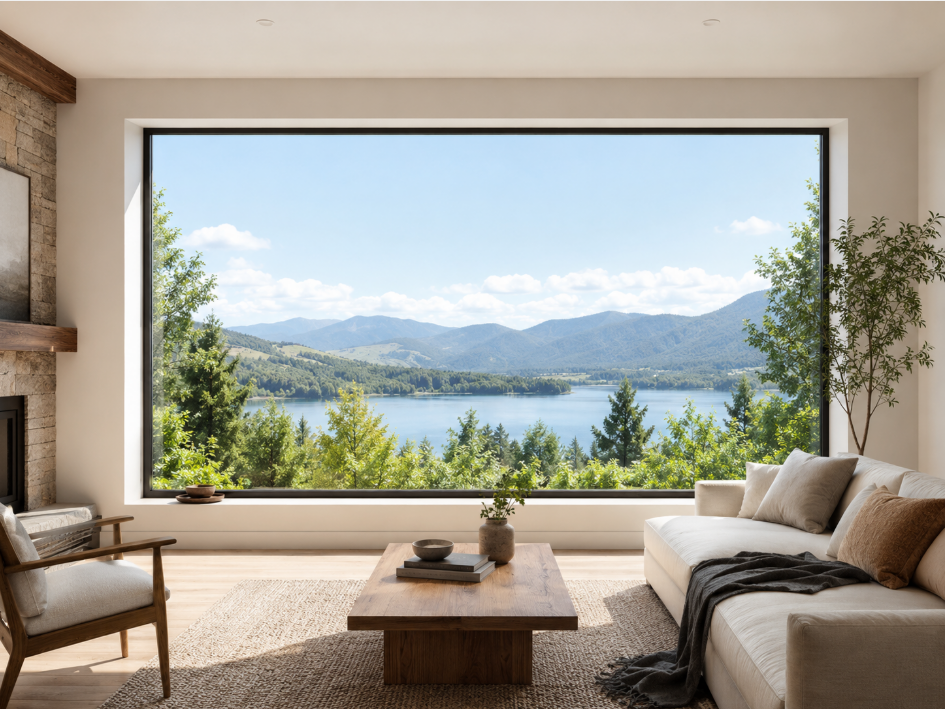
Picture windows are large fixed windows that do not open, making them a strong option for living rooms where natural light and furniture layout need to work together. They are designed primarily to maximize natural light and provide unobstructed outdoor views.
Best for: Living rooms, dining areas, and rooms with scenic views.
Key benefits:
- Maximizes daylight
- Creates a wider view of the outdoors
- Requires less maintenance due to fewer moving parts
Bay Windows
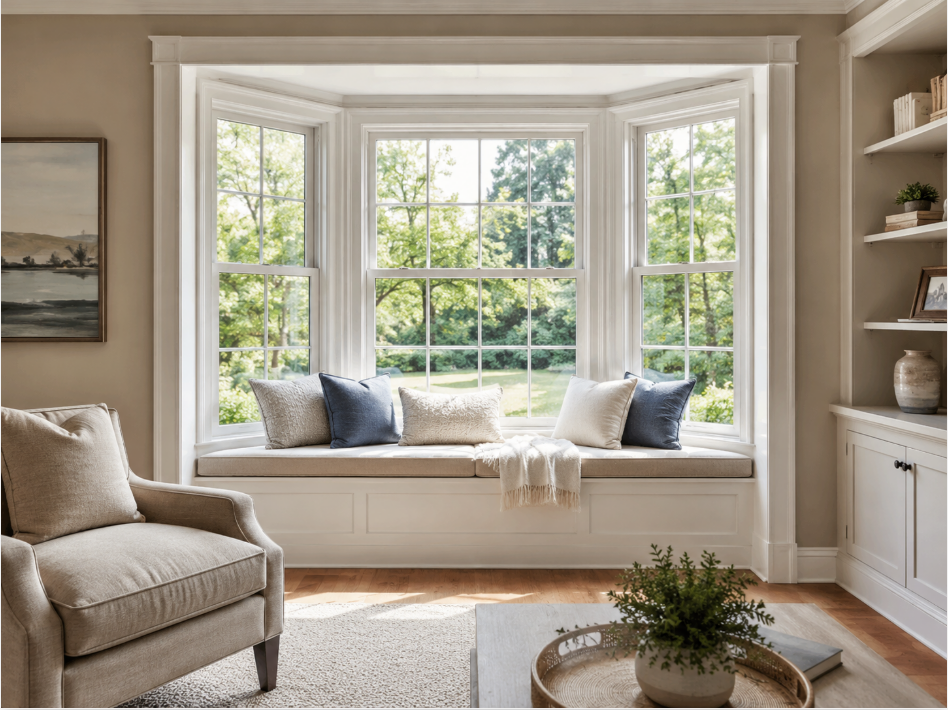
Bay windows consist of three or more window sections that extend outward from the exterior wall. They create additional interior space while adding architectural character to a home, making them a popular choice for living areas where furniture placement and room flow are important, making them a popular choice when planning living spaces and living room furniture choices.
Best for: Living rooms, reading areas, and exterior design upgrades.
Key benefits:
- Adds space and dimension
- Improves natural light
- Creates a distinctive architectural feature
Bow Windows
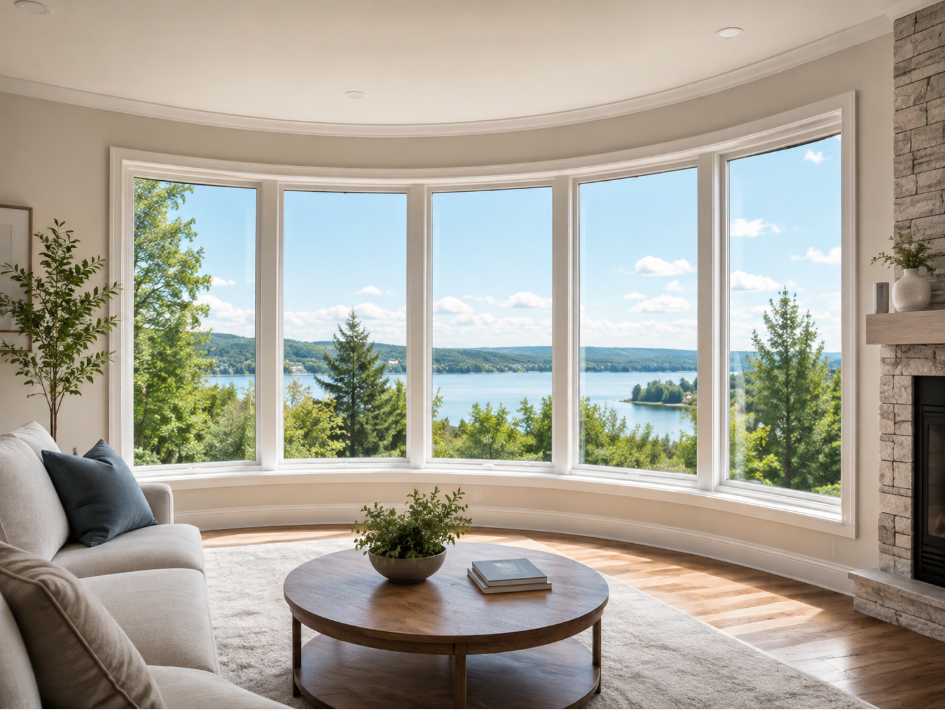
Bow windows are similar to bay windows but use multiple window panels arranged in a curved shape. They create a softer appearance and provide a wider panoramic view.
Best for: Large living spaces and custom home designs.
Key benefits:
- Creates expansive views
- Adds visual appeal
- Enhances the feeling of interior space
Tilt and Turn Windows
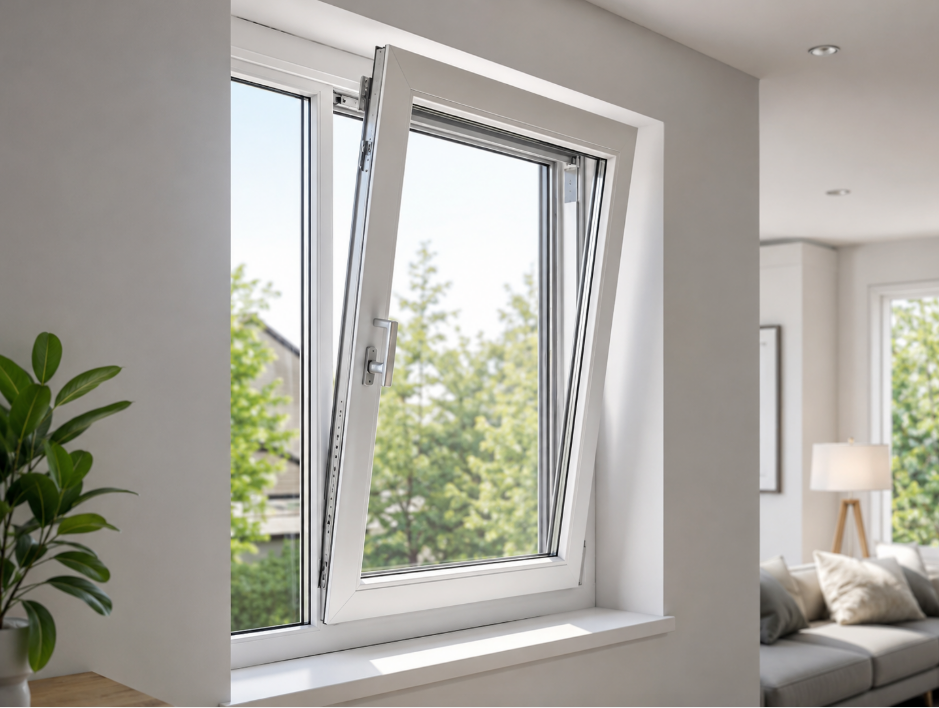
Tilt and turn windows offer two opening options: they can tilt inward from the top for ventilation or open fully inward for cleaning and access. This versatile design is common in European-style homes.
Best for: Modern homes, high-rise residences, and energy-efficient designs.
Key benefits:
- Multiple ventilation options
- Easy interior cleaning
- Strong security and insulation performance
Specialty Shape Windows
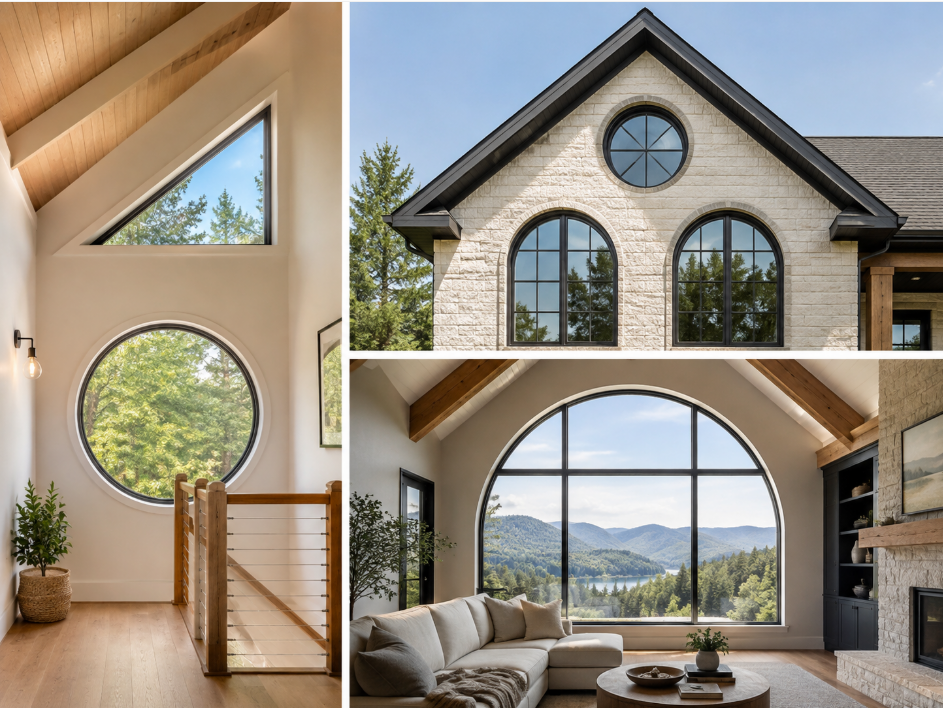
Specialty shape windows are custom-designed windows made in unique shapes, such as circles, arches, triangles, or other architectural forms. They are often used to create a distinctive appearance or fit unusual spaces, especially in custom home projects where architectural details are carefully planned.
Best for: Custom homes and unique architectural designs.
Key benefits:
- Offers maximum design flexibility
- Fits unconventional spaces
- Adds personalized architectural detail
How Do You Choose the Right Window Type?
Choosing the right window type depends on more than appearance. Factors such as the room’s purpose, overall interior style, ventilation needs, energy efficiency, maintenance requirements, and budget all affect which window style works best for your home.
1. Consider the Room’s Purpose
Different rooms have different window requirements. Bedrooms and living areas may benefit from windows that provide natural light and comfortable ventilation, while kitchens and bathrooms often need styles that allow more airflow and handle moisture effectively.
- Living rooms: Picture, bay, or bow windows can maximize natural light and outdoor views.
- Bedrooms: Double-hung or casement windows offer flexible ventilation and privacy.
- Bathrooms and kitchens: Awning or casement windows provide airflow while maintaining privacy.
2. Think About Ventilation and Airflow
If fresh air circulation is a priority, choose window styles that open fully rather than fixed designs. Casement and awning windows provide strong ventilation, while double-hung windows allow adjustable airflow from the top and bottom.
3. Consider Energy Efficiency
Window design, frame materials, and glass quality can affect insulation and energy costs. Casement and tilt-and-turn windows often provide better sealing performance because their frames press tightly against the seals when closed. For larger fixed areas, energy-efficient picture windows can provide natural light while reducing air leakage.
4. Match the Window Style to Your Home Design
The right window should complement your home’s architectural style:
- Traditional homes: Double-hung and bay windows often fit classic designs.
- Modern homes: Sliding and large picture windows create clean, open aesthetics.
- Custom homes: Specialty shape windows allow unique architectural features.
5. Balance Your Budget and Long-Term Needs
Window prices vary based on size, materials, installation complexity, and customization. More affordable options like single-hung and sliding windows may work well for basic replacements, while custom shapes, bay windows, and premium materials require a larger investment but can add more design value and functionality.
Choosing the right window type means finding the best balance between appearance, performance, and cost based on how you use each space.
Custom Windows vs Standard Windows: Which Is Better?
The better choice between custom and standard windows depends on your home design, budget, and performance needs. Standard windows are usually more affordable and easier to install, while custom windows provide greater flexibility in size, style, and features for unique spaces, similar to how custom furniture can be designed around specific home requirements.
| Feature | Custom Windows | Standard Windows |
| Design Flexibility | Made to specific measurements, shapes, and design preferences | Limited to pre-made sizes and common styles |
| Cost | Higher upfront cost due to customization and craftsmanship | More affordable with mass-produced designs |
| Installation | Requires precise measurements and professional planning | Faster and simpler installation process |
| Style Options | Wide range of materials, colors, finishes, and unique shapes | Fewer options with limited customization |
| Best For | Custom homes, unusual window openings, and specific design goals | Standard home replacements and budget-friendly projects |
| Long-Term Value | Can improve architectural appeal and create a better fit | Provides practical performance at a lower investment |
Choose Custom Windows If You Need:
- Unique sizes or shapes that do not fit standard window dimensions
- A specific architectural style or personalized design
- Better use of unusual spaces or custom home layouts
- More control over materials, finishes, and features
Choose Standard Windows If You Need:
- A more affordable replacement option
- Faster availability and installation
- Common window sizes that fit existing openings
- A practical solution without extensive customization
For most homeowners, standard windows are a cost-effective choice for simple replacements, while custom windows are worth considering when design flexibility, perfect fit, or architectural details are important.
FAQ
How Long Do Windows Typically Last?
Windows typically last 15–30 years depending on the material, installation quality, weather conditions, and maintenance. Vinyl windows often last around 20–30 years, while wood windows may require more maintenance but can last longer with proper care. Signs such as drafts, condensation between glass panes, difficulty opening, or visible damage may indicate that replacement is needed.
What Is the Most Energy-Efficient Window Type?
Casement and tilt-and-turn windows are often considered among the most energy-efficient window types because their tight sealing design helps reduce air leakage when closed. However, overall performance also depends on factors such as double or triple glazing, Low-E glass coatings, frame materials, and professional installation.
Are Larger Windows More Expensive to Install?
Yes, larger windows are usually more expensive to install because they require more glass, stronger frames, and additional labor. Large custom designs, such as bay or bow windows, may also involve structural adjustments, which can further increase installation costs.
Can You Replace Windows Without Changing the Frame?
Yes, windows can often be replaced without changing the existing frame through an insert window replacement. This option is typically faster and less expensive, but it works best when the existing frame is in good condition. If the frame has water damage, rot, or structural issues, a full-frame replacement may be required.
How Many Windows Should a House Have?
There is no fixed number of windows required for a house, as it depends on the home’s size, layout, room function, and local building requirements. Most homes include windows in every main living space and bedroom to provide natural light, ventilation, and emergency access where required. A well-designed window layout balances daylight, privacy, energy efficiency, and exterior appearance.
Conclusion
Choosing the right window type depends on your home design, ventilation needs, budget, and long-term performance goals. From affordable single-hung windows to fully customized specialty designs, each option offers different benefits for different spaces.
If you are unsure which window style fits your home, a professional consultation can help you compare materials, designs, and customization options before making a decision.